



What's Happening?
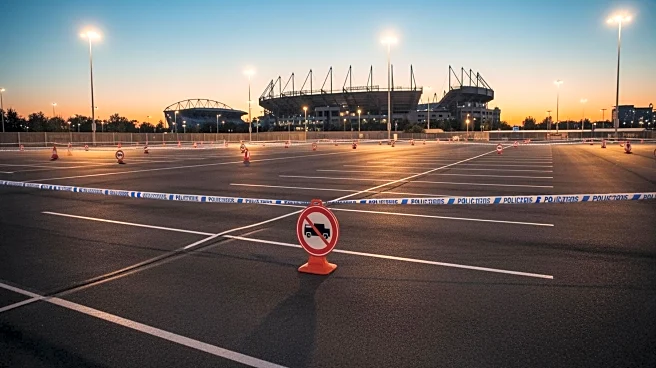
Gillette Stadium in Foxboro, Massachusetts, will significantly reduce its parking capacity for the upcoming World Cup matches. The stadium, which typically offers 20,000 parking spaces, will only provide 5,000 spaces for the event. This reduction is part
of the logistical planning for the World Cup, which aims to manage the influx of visitors and ensure smooth operations during the matches. The decision to limit parking is likely to encourage the use of public transportation and other means of travel to the stadium, as the event is expected to draw large crowds. The World Cup matches at Gillette Stadium are part of a broader effort to host international sporting events in the U.S., showcasing the country's capability to manage large-scale events.
Why It's Important?
The reduction in parking spaces at Gillette Stadium highlights the challenges and considerations involved in hosting major international events like the World Cup. This decision underscores the need for effective transportation planning and infrastructure to accommodate large numbers of visitors. It also reflects a growing trend towards promoting sustainable travel options, such as public transportation, to reduce traffic congestion and environmental impact. For local businesses and the community, the World Cup presents an opportunity for economic gain through increased tourism and spending. However, it also poses logistical challenges that require careful coordination among event organizers, local authorities, and transportation agencies.
What's Next?
As the World Cup approaches, stakeholders will likely focus on finalizing transportation and logistical plans to ensure a seamless experience for attendees. This may involve enhancing public transportation services, coordinating with local law enforcement for traffic management, and communicating effectively with the public about travel options and restrictions. The success of these efforts could influence future decisions on hosting similar large-scale events in the region. Additionally, feedback from this event may inform strategies for managing parking and transportation at other major venues across the country.