



What's Happening?
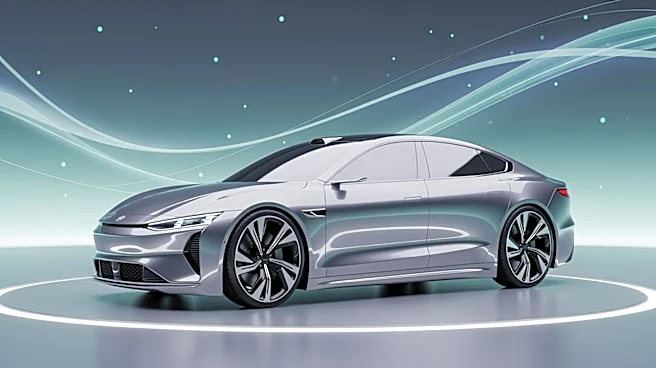
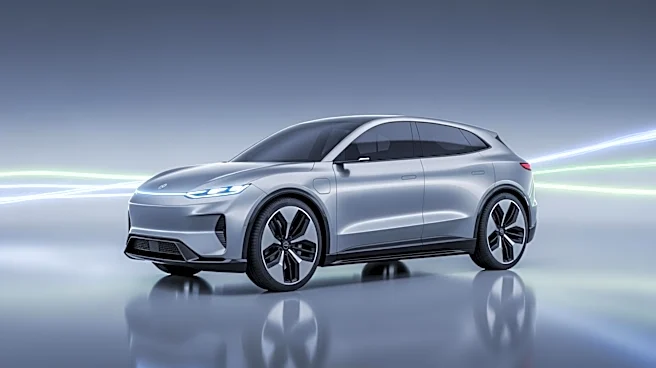
The 2026 New York Auto Show showcased a significant trend towards electrification in the automotive industry. Electric vehicles (EVs) dominated the event, with major automakers unveiling new models and concepts that emphasize speed, power, and modern
design. Notable reveals included Subaru's all-electric Getaway SUV, Kia's EV3, and Porsche's Cayenne Electric. The show also featured the World Car Awards, where all winners were EVs, underscoring the global shift towards electric mobility. Brands like Genesis and Bentley used the platform to highlight their design directions and luxury offerings, while others focused on family-friendly SUVs and adventure vehicles.
Why It's Important?
The prominence of EVs at the New York Auto Show reflects the automotive industry's ongoing transition towards sustainable and efficient transportation solutions. This shift is driven by consumer demand for environmentally friendly vehicles and the need to comply with global emissions standards. The focus on electrification is likely to influence market dynamics, encouraging investment in EV technology and infrastructure. Automakers that adapt to this trend may gain a competitive edge, while those slow to embrace electrification risk losing market share. The event also signals potential changes in consumer preferences, with increased interest in innovative designs and advanced technology.
What's Next?
As the automotive industry continues to evolve, manufacturers are expected to accelerate the development and production of electric vehicles. This includes expanding EV offerings across different segments, from luxury to affordable models. The integration of new technologies, such as extended range electric vehicles (EREVs), will likely become more prevalent, offering consumers greater efficiency and performance. Automakers may also focus on enhancing charging infrastructure and addressing range anxiety to support widespread EV adoption. Additionally, the success of EVs at the World Car Awards may inspire further innovation and competition among manufacturers.
Beyond the Headlines
The shift towards electrification in the automotive industry raises several ethical and environmental considerations. The production of EVs involves sourcing materials like lithium and cobalt, which can have significant environmental impacts. As demand for these materials increases, manufacturers may face pressure to ensure sustainable and ethical sourcing practices. Furthermore, the transition to electric mobility may lead to changes in employment within the industry, as traditional manufacturing roles evolve to accommodate new technologies. These factors highlight the need for comprehensive strategies that address both the benefits and challenges of electrification.