What's Happening?
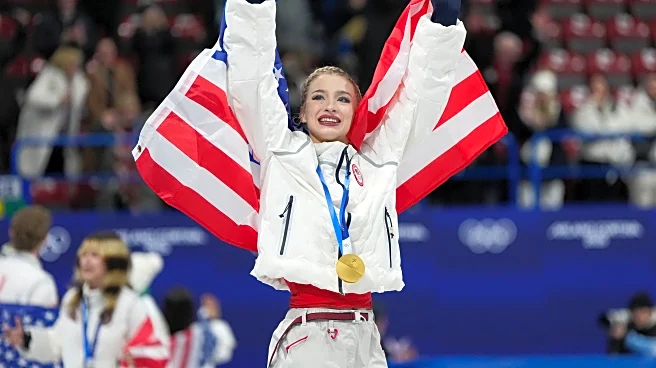
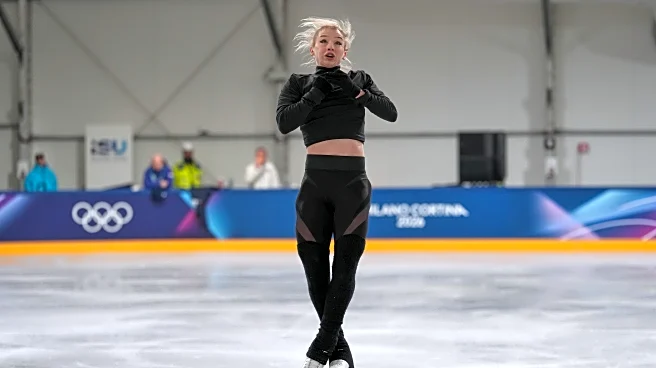
At the 2026 Winter Olympics in Milan, political displays by U.S. fans have drawn attention, placing American athletes in a position to address their country's political climate. Fred Danbank, a fan, displayed a sign apologizing for the U.S.'s 'bad behavior,' while another fan wore clothing supporting President Trump. These displays, although not officially sanctioned, highlight the intersection of sports and politics. Athletes like figure skater Amber Glenn have spoken out about the political climate, emphasizing the impact of politics on their lives and communities.
Why It's Important?
The presence of political messages at the Olympics underscores the ongoing debate about the role of politics in sports. For U.S. athletes, these displays can be both a platform and
a burden, as they navigate representing their country amidst political tensions. The situation reflects broader societal issues, such as national identity and international perception, and raises questions about the appropriateness of political expressions in sports settings. This could influence how future international sporting events handle political expressions.
What's Next?
The International Olympic Committee may need to address the increasing presence of political displays at the Games, potentially revising rules to balance freedom of expression with the apolitical nature of the event. U.S. athletes may continue to face questions about their country's politics, influencing their public personas and potentially affecting their performance. The broader conversation about politics in sports is likely to continue, impacting future events and athlete activism.