


What's Happening?
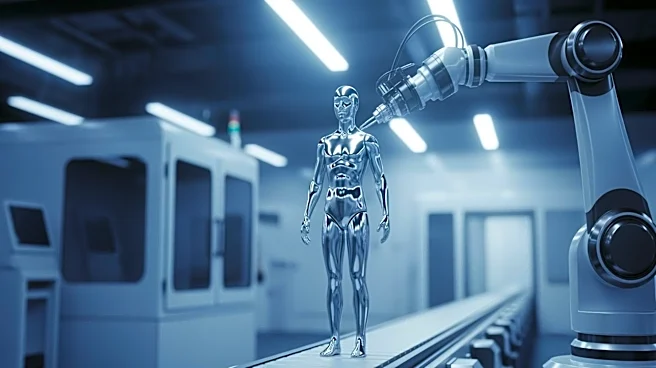
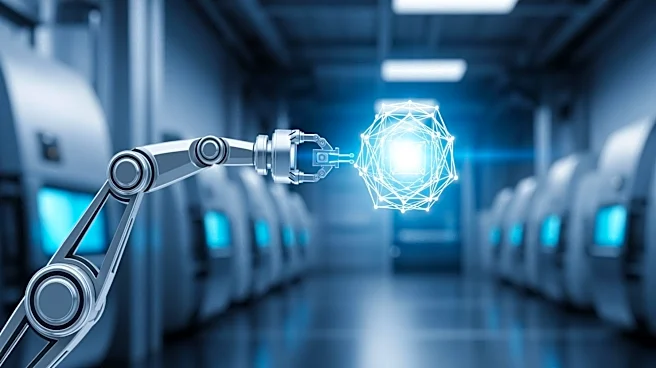
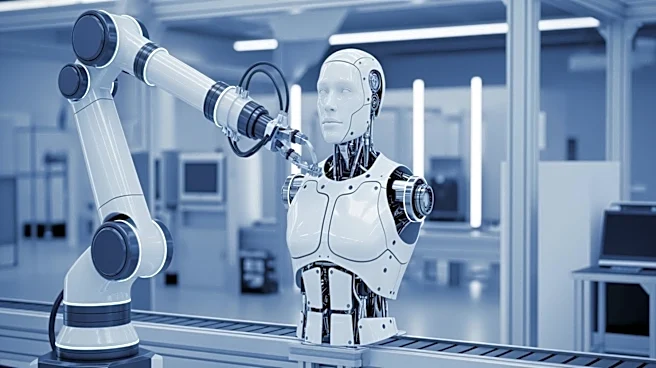
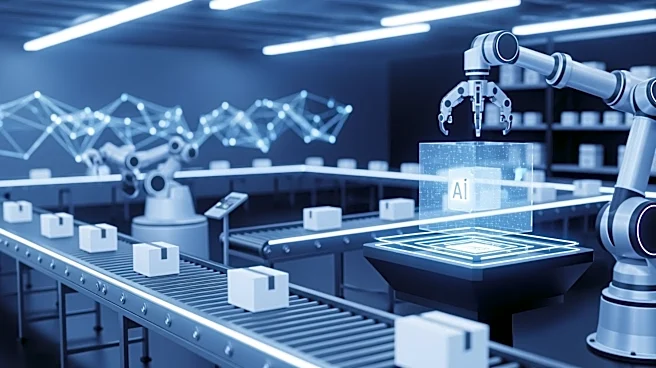
The concept of physical AI is transforming the manufacturing industry by integrating neural networks with mechanical precision. This advancement allows robots to perceive, adapt, and learn, moving beyond scripted environments. Physical AI is reshaping
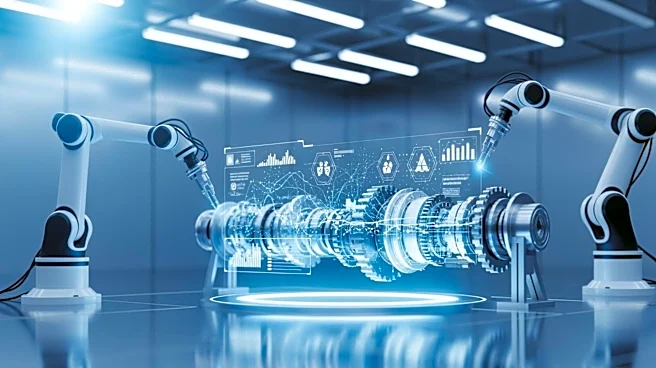
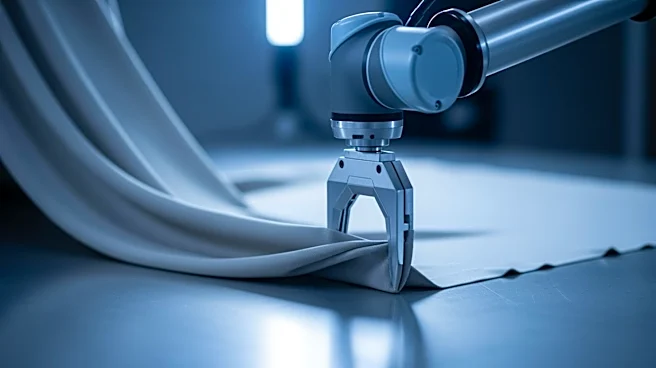
development processes, enabling robots to handle complex tasks such as sorting unstructured materials and navigating crowded spaces. The shift from digital to physical AI is marked by the use of hyper-realistic digital twins for training AI agents, significantly shortening development cycles and enhancing real-world applications.
Why It's Important?
Physical AI represents a major leap forward in robotics, offering the potential to automate tasks that were previously considered too complex. This technology is crucial for industries like manufacturing and logistics, where efficiency and adaptability are key. By enabling robots to operate in dynamic environments, physical AI can improve productivity and reduce operational costs. The integration of AI into physical systems also opens new opportunities for innovation in robotics, driving advancements in areas such as mobile manipulation and automated inspection.
Beyond the Headlines
The adoption of physical AI in manufacturing poses challenges related to scaling and supply chain management. Companies must navigate the complexities of hardware production and lifecycle resilience to fully realize the benefits of physical AI. Additionally, retrofitting existing facilities to support advanced robotics requires significant investment and integration efforts. As the industry evolves, businesses will need to balance innovation with practical considerations to ensure successful implementation of physical AI solutions.