
What's Happening?
Minnesota has enacted a law banning certain prediction market services, making it the first state in the U.S. to do so. The law, signed by Governor Tim Walz, targets platforms like Kalshi and Polymarket,
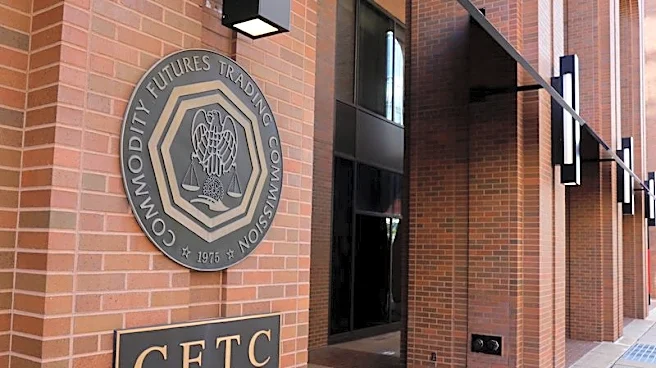
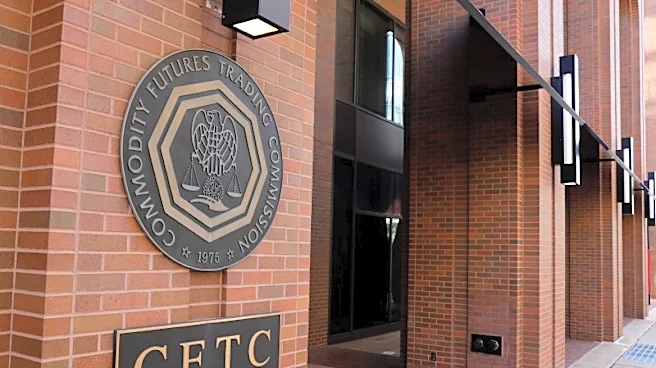
which offer betting on various events, including sports and political outcomes. The Commodity Futures Trading Commission (CFTC) has filed a lawsuit against Minnesota, arguing that the regulation of prediction markets falls under federal jurisdiction. The CFTC contends that these markets are financial, not gambling, and should be regulated at the federal level. The law is set to take effect in August 2026, and it has sparked significant opposition from prediction market operators who claim it violates federal law and could push activities overseas.
Why It's Important?
The ban on prediction markets in Minnesota highlights the ongoing tension between state and federal authorities over the regulation of financial markets. The CFTC's lawsuit underscores the federal government's intent to maintain control over these markets, which are seen as financial instruments rather than gambling. This development could have significant implications for the prediction market industry, potentially reducing competition and innovation within the U.S. market. The outcome of this legal battle could set a precedent for how prediction markets are regulated across the country, affecting stakeholders in both the financial and gambling sectors.
What's Next?
As the law is scheduled to take effect in August 2026, prediction market operators and the CFTC are likely to continue their legal battle. The Minnesota state government is drafting a revised version of the law to allow weather-related trading, addressing concerns from the agricultural sector. The outcome of the CFTC's lawsuit could influence other states considering similar bans and shape the future regulatory landscape for prediction markets in the U.S.