


What's Happening?
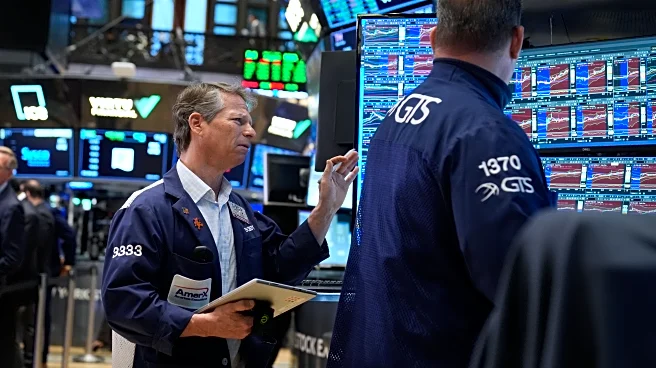
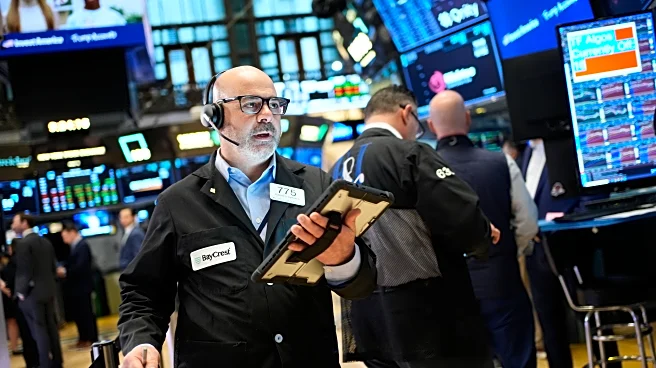
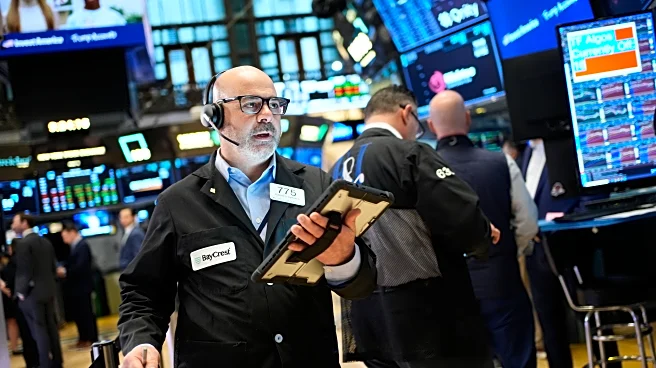
Wall Street is experiencing a significant downturn, with stocks tumbling as the market heads for its longest losing streak in nearly four years. This decline follows the worst market drop since the onset of the Iran war on February 28. The ongoing conflict
has created uncertainty and volatility in global markets, contributing to the sustained losses. Investors are grappling with the implications of geopolitical tensions, which have disrupted oil markets and increased economic instability. The current market conditions reflect broader concerns about the potential impact of the conflict on global economic growth and financial stability.
Why It's Important?
The prolonged losing streak on Wall Street highlights the sensitivity of financial markets to geopolitical events. The uncertainty surrounding the Iran conflict has led to increased volatility, affecting investor confidence and market performance. This situation underscores the interconnectedness of global markets and the potential for regional conflicts to have far-reaching economic consequences. The downturn may influence investment strategies, with investors seeking safer assets amid heightened risk. Additionally, the market's performance could impact consumer sentiment and spending, further affecting economic growth.
What's Next?
As the situation in Iran evolves, financial markets will continue to react to developments and potential resolutions. Investors and analysts will closely monitor geopolitical events and their implications for global economic stability. Policymakers may consider interventions to stabilize markets and support economic growth. The financial sector will likely focus on risk management strategies to navigate the ongoing volatility. The outcome of the conflict and its resolution will play a critical role in shaping future market trends and investor behavior.