



What's Happening?
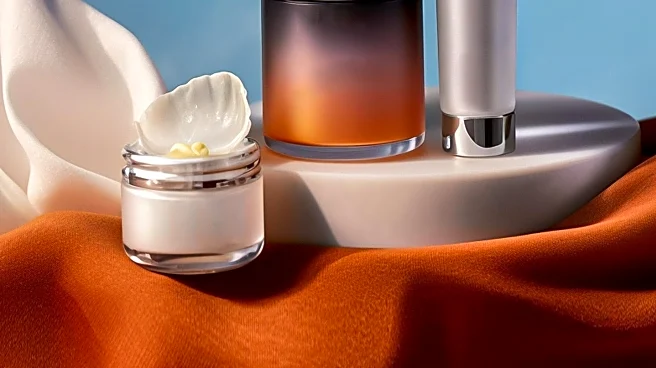
The beauty industry is witnessing a significant shift as daily essentials are being transformed into luxury items. This trend, known as 'elevated essentials,' involves upgrading mundane products like hand wash and deodorant with premium formulations and fragrances. According to Katie Peake, co-founder and Creative Director of Backlash, this movement reflects a broader consumer desire for meaningful luxuries in everyday life. The trend is partly driven by the post-pandemic emphasis on hygiene and the 'little treat' economy, where consumers seek affordable luxuries that provide emotional satisfaction without significant financial strain. A report by The Future Laboratory highlights that the global beauty and personal care market, valued at $557.24
billion in 2023, is projected to nearly double by 2030, growing at an annual rate of 7.7%. This growth underscores the increasing consumer interest in luxury beauty products that enhance daily routines.
Why It's Important?
The shift towards luxury daily essentials is significant for several reasons. It reflects changing consumer priorities, where hygiene and self-care have become paramount in a post-pandemic world. This trend also indicates a broader economic shift, as consumers opt for smaller, more frequent indulgences rather than large luxury purchases. The beauty industry's ability to adapt to these changes by offering premium versions of everyday products could lead to sustained growth and innovation. For businesses, this trend presents an opportunity to capture a growing market segment by aligning product offerings with consumer desires for affordable luxury. Additionally, the projected growth of the beauty and personal care market suggests that companies investing in elevated essentials could see substantial returns.
What's Next?
As the trend of elevated essentials continues to grow, beauty brands are likely to expand their product lines to include more luxury versions of everyday items. This could lead to increased competition among brands to differentiate their offerings through unique formulations and branding strategies. Consumers can expect to see more collaborations and limited edition releases as brands seek to capitalize on the demand for exclusive and premium products. Additionally, the focus on sustainability and ethical sourcing may become more prominent as consumers increasingly prioritize these values in their purchasing decisions. The ongoing economic challenges, such as inflation, may further influence consumer behavior, driving the demand for affordable luxuries that offer a sense of indulgence without significant financial impact.