


What's Happening?
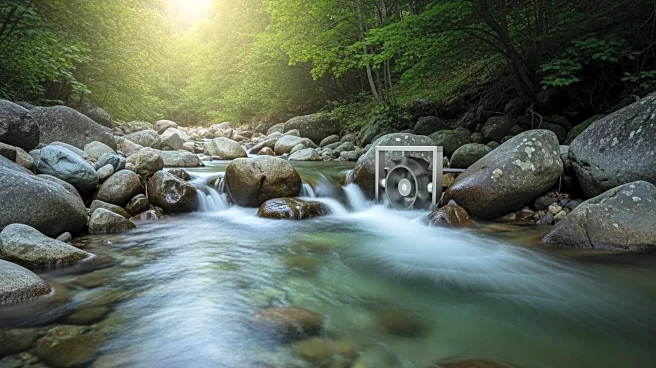
In remote areas, particularly in Alaska, there is a growing interest in using water-powered microgrids to provide reliable and affordable energy. These microgrids leverage local resources, such as wave and hydrokinetic energy, to meet the unique energy needs of isolated communities. The National Laboratory of the Rockies is hosting a webinar series to explore the integration of marine energy technologies with existing microgrids. The series aims to address the challenges and opportunities of deploying these technologies, emphasizing the importance of testing and validating them in a controlled environment before implementation.
Why It's Important?
Water-powered microgrids represent a sustainable energy solution for remote communities that often face high energy costs
and limited access to traditional power sources. By harnessing local resources, these microgrids can reduce reliance on fossil fuels and enhance energy security. The development and deployment of marine energy technologies also contribute to the broader goals of renewable energy adoption and environmental sustainability. The focus on testing and validation helps mitigate risks and ensures the reliability of these systems, which are crucial for the livelihoods of residents in remote areas.
What's Next?
The webinar series will continue to provide insights into the potential of marine energy technologies and their integration with microgrids. Researchers and stakeholders will explore ways to overcome technical and economic challenges, with the goal of expanding the use of water-powered microgrids in remote communities. The success of these initiatives could lead to increased investment in marine energy research and development, as well as policy support for renewable energy projects. The outcomes of the series may also inform future strategies for energy resilience and sustainability in isolated regions.