




What's Happening?
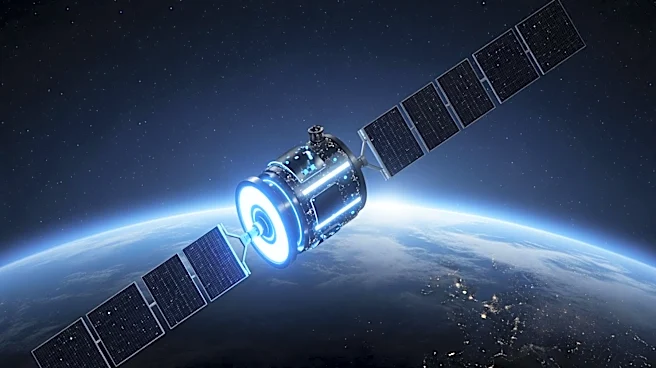
Amazon has announced that its satellite internet service, Leo, will go live in mid-2026. CEO Andy Jassy informed shareholders that the company is on the verge of launching the service, which aims to rival Elon Musk's Starlink. Originally conceived as Project
Kuiper, Leo has 200 low-orbit satellites in space, with plans to expand to a few thousand more. The service will integrate with Amazon Web Services to facilitate data movement for enterprises and governments. Despite being behind Starlink, which has nearly 10,000 satellites, Amazon has secured revenue commitments from enterprises and governments, including Delta Air Lines, which plans to use Leo for onboard wifi.
Why It's Important?
The launch of Amazon's Leo satellite internet service represents a significant development in the commercial space industry, intensifying the competition with SpaceX's Starlink. This rivalry could drive innovation and expansion in satellite internet services, potentially lowering costs and improving access for consumers and businesses. The integration with Amazon Web Services could enhance data management capabilities for enterprises, offering a competitive edge. The success of Leo could also influence Amazon's position in the tech industry, impacting its market share and financial performance.
What's Next?
As Amazon prepares for the mid-2026 launch of Leo, the company will focus on expanding its satellite network and securing additional partnerships. The outcome of its request for a two-year extension from the FCC to meet satellite deployment requirements will be crucial. Amazon's strategy to use Blue Origin for future launches could streamline operations. The company's ability to compete with Starlink will depend on its capacity to deliver reliable service and attract a broad customer base. The commercial space industry will be closely monitoring these developments.