
What's Happening?
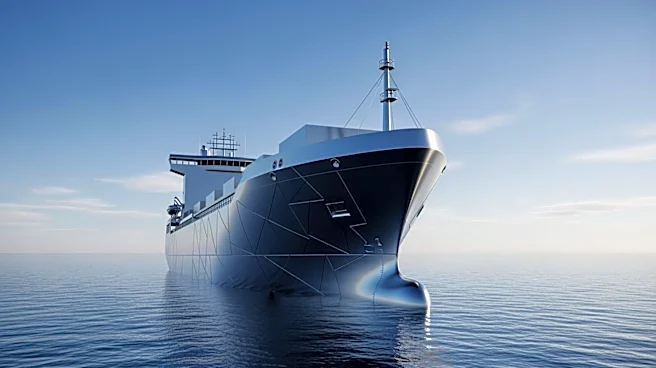
Damen Shipyards Group has successfully delivered the fourth Combi Freighter (CF) 3850 to Reederei Bernd Sibum, following successful sea trials in Shanghai. The vessel, named Maria Sibum, is set to travel
to Europe with cargo. Upon arrival, all four vessels in the order will be equipped with Econowind ventofoils at Damen Shiprepair Harlingen, a wind-assist propulsion solution expected to reduce fuel consumption by 12.5%. These vessels are part of a sustainable modernization initiative, partially funded by the German Government's NaMKü subsidy, which includes features like shore power connectivity and a hybrid PTO/PTI system for zero emissions sailing in ports.
Why It's Important?
The delivery of these eco-friendly vessels marks a significant step in reducing the maritime industry's carbon footprint. By incorporating wind-assist propulsion and hybrid systems, these ships are expected to lower emissions and fuel consumption, aligning with global sustainability goals. This initiative not only benefits the environment but also offers economic advantages by reducing operational costs for shipping companies. The collaboration between Damen Shipyards and Reederei Bernd Sibum highlights the importance of partnerships in advancing maritime technology and sustainability.
What's Next?
The second vessel, Baltic Iron, is expected to arrive in Europe in June, followed by the third, Gerd Sibum, in July. All four vessels are anticipated to be in Europe by the end of the summer. As these ships enter service, they will provide valuable data on the effectiveness of their eco-friendly technologies, potentially influencing future shipbuilding projects. Continued collaboration between Damen Shipyards and Reederei Bernd Sibum is expected to further optimize vessel performance and sustainability.
Beyond the Headlines
The introduction of these vessels could set a precedent for the maritime industry, encouraging other shipbuilders and operators to adopt similar eco-friendly technologies. This shift could lead to broader regulatory changes and increased government support for sustainable maritime practices. The success of these vessels may also drive innovation in other sectors, as industries seek to reduce their environmental impact and align with global sustainability targets.