



What's Happening?
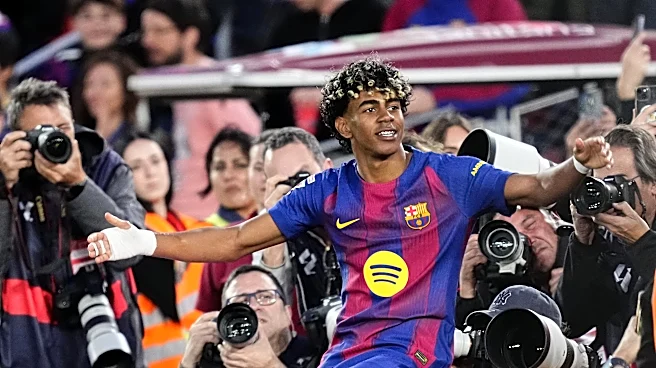
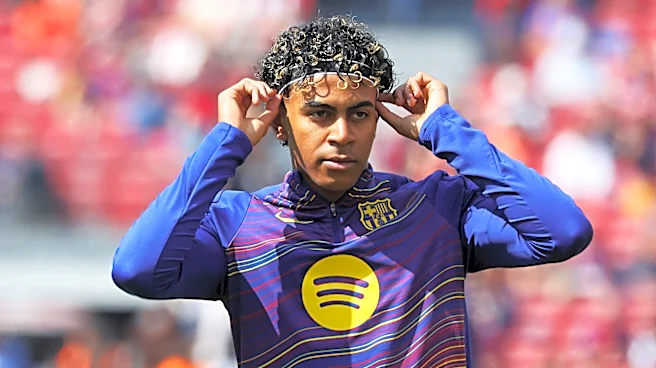
Lamine Yamal, an 18-year-old soccer prodigy, has emerged as one of the top players in Spain's LaLiga, boasting an impressive record of 27 goals and assists this season. His performance has drawn comparisons to legendary players like Lionel Messi and Neymar.
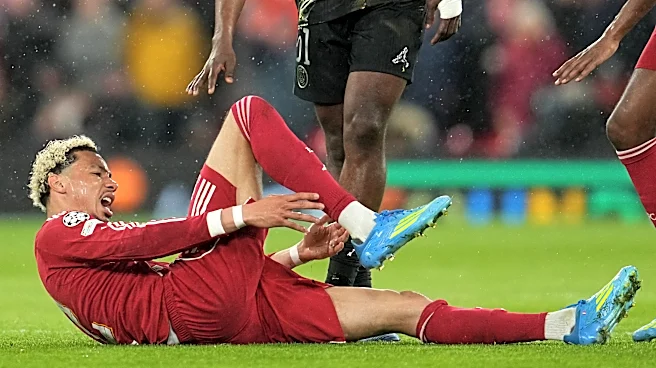
However, Yamal's recent hamstring injury poses a significant challenge for both his career and Barcelona's aspirations. The injury occurred on April 22, and it remains uncertain if he will recover in time for Spain's opening match at the World Cup. Barcelona faces a dilemma in managing Yamal's playing time to prevent further injuries while maximizing his contributions to the team.
Why It's Important?
Yamal's situation highlights the broader issue of managing young athletes' workloads in professional sports. His injury underscores the risks associated with high-intensity play and frequent matches, which can lead to long-term health issues. For Barcelona, balancing Yamal's development and health with the team's competitive goals is crucial. The club's handling of Yamal's situation could set a precedent for how young talents are managed in the future, impacting player welfare and team strategies across the sport.
What's Next?
Barcelona must decide how to manage Yamal's recovery and playing time to ensure his long-term health and career success. This decision involves weighing immediate team needs against the potential for future injuries. The club may need to implement a strategic rotation plan to reduce the risk of overuse injuries. Additionally, Yamal's recovery progress will be closely monitored, as it will influence his availability for upcoming matches, including the World Cup.
Beyond the Headlines
Yamal's case raises ethical questions about the pressures placed on young athletes in professional sports. The increasing reliance on young players in high-stakes competitions highlights the need for better workload management and injury prevention strategies. This situation also reflects the broader trend of sports organizations prioritizing short-term success over long-term player health, prompting discussions about the responsibilities of clubs and governing bodies in safeguarding athletes' well-being.