







What's Happening?
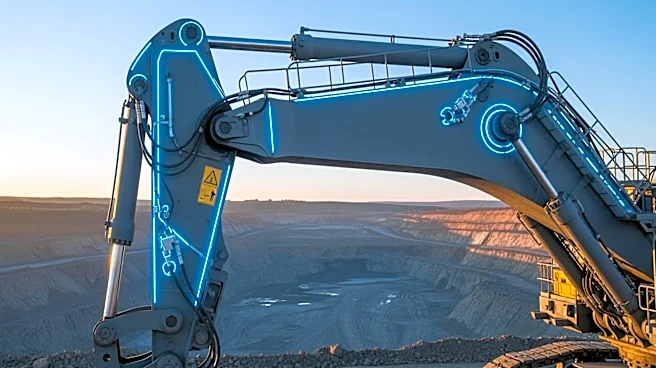
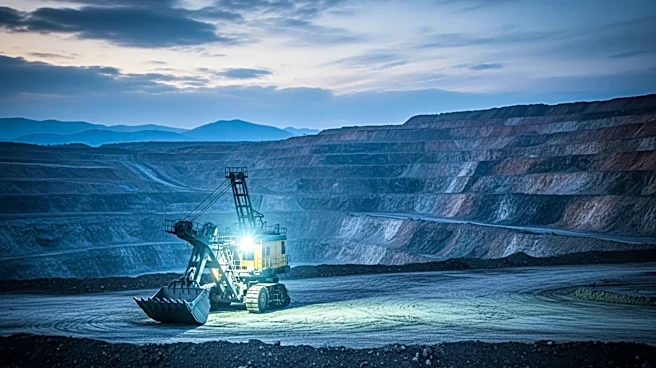
Mining operations are increasingly adopting equipment electrification to meet environmental, social, and governance (ESG) targets. This transition involves upgrading electrical infrastructure to support the electrification of mining equipment, which reduces
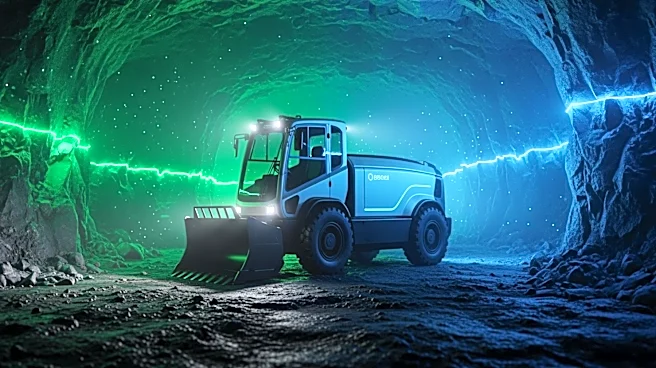
emissions, lowers costs, and improves worker safety. The process follows a phased approach, starting with an assessment of current infrastructure, pilot deployment of electric machinery, and a scaled rollout across the fleet. This strategy addresses the dual challenge of reducing the carbon footprint and managing operational costs, particularly in underground operations that traditionally rely on diesel engines.
Why It's Important?
The shift towards electrification in the mining sector is significant as it aligns with global efforts to reduce carbon emissions and improve sustainability. By modernizing equipment and infrastructure, mining companies can achieve substantial emissions reductions and enhance worker safety, which are critical components of ESG compliance. This transition not only meets regulatory requirements but also offers financial benefits through reduced fuel and maintenance costs. The move towards electrification is a step forward in making the mining industry more sustainable and environmentally friendly.
What's Next?
As mining companies continue to invest in electrification, the focus will likely be on further infrastructure upgrades, including enhanced grid connections and on-site energy storage. The adoption of electric equipment is expected to increase, driven by regulatory incentives and the potential for cost savings. This trend may lead to broader changes in the mining industry, with a greater emphasis on sustainable practices and technologies.