






What's Happening?
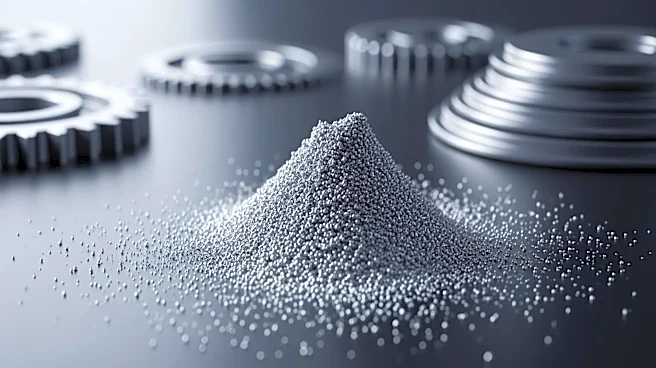
The global market for low alloy steels powder is projected to experience significant growth through 2035, driven by advancements in additive manufacturing and automotive lightweighting. Low alloy steel powders, which contain elements like nickel, molybdenum,
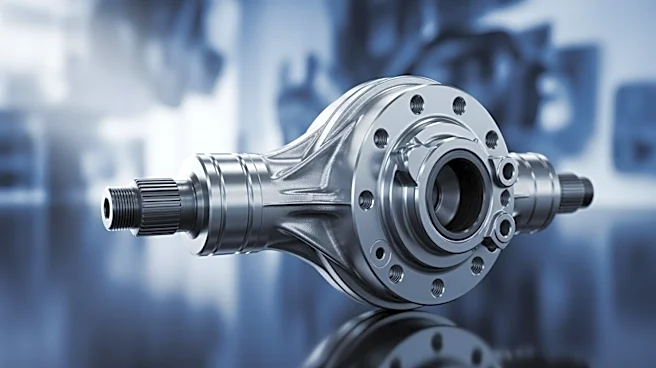
or chromium, are crucial for powder metallurgy, metal injection molding, and additive manufacturing. These powders enable the production of complex, lightweight components that are difficult to achieve through traditional methods. The automotive sector, accounting for 38% of global demand, is the largest consumer, utilizing these powders for high-strength parts in transmissions and engines. Additive manufacturing, particularly in aerospace and medical applications, is the fastest-growing segment, with demand expected to grow at a double-digit rate. The market faces challenges such as volatile raw material costs and high energy requirements for production, but ongoing innovations in powder technology and manufacturing processes are expected to support growth.
Why It's Important?
The expansion of the low alloy steels powder market is significant for several industries, particularly automotive and aerospace, which are increasingly adopting advanced manufacturing technologies. The shift towards lightweight and high-strength components is crucial for meeting fuel efficiency and emissions standards in the automotive industry. In aerospace, the demand for complex geometries and material efficiency is driving the adoption of additive manufacturing. This growth also impacts the medical sector, where biocompatible and mechanically robust materials are essential. The market's expansion is likely to stimulate further innovation in manufacturing processes and materials science, potentially leading to cost reductions and improved product performance. However, the industry must navigate challenges such as environmental regulations and competition from alternative materials.
What's Next?
The market is expected to continue its growth trajectory, with significant investments in capacity expansions and technological advancements. Major producers in Asia and Europe are increasing their production capabilities, while innovations in atomization technologies aim to reduce energy consumption and improve efficiency. The automotive industry's shift towards electric vehicles is likely to create new demand for magnetic components, further driving the need for low alloy powders. Additionally, the increasing adoption of additive manufacturing in serial production and the development of tailored powder grades for specific applications are expected to support market growth. Stakeholders in the industry, including manufacturers and investors, will need to focus on sustainable production methods and cost-effective solutions to maintain competitiveness.
Beyond the Headlines
The growth of the low alloy steels powder market has broader implications for global manufacturing and supply chains. As industries adopt more advanced manufacturing techniques, there is a potential for significant shifts in production methods and labor dynamics. The emphasis on sustainability and environmental impact is likely to drive regulatory changes and influence corporate strategies. Furthermore, the consolidation among powder producers to achieve scale and R&D synergies could reshape the competitive landscape. The market's evolution may also lead to increased collaboration between industries and research institutions to address technical challenges and explore new applications for low alloy powders.