

What's Happening?
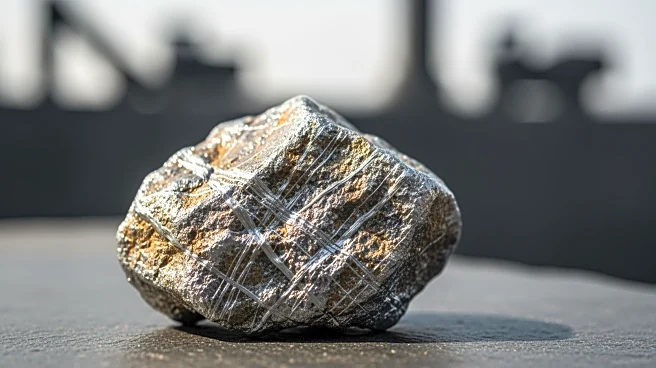
The Austrian government has renewed the Wolfsberg lithium mining licence for Critical Metals, a US-listed company, for an additional two years. This decision comes amidst media speculation about the project's future. The Wolfsberg project, located in Carinthia, Austria, is one of Europe's most advanced lithium developments, aimed at supplying spodumene concentrate to the electric vehicle and battery storage markets in the region. Critical Metals' Chairperson, Tony Sage, indicated that a decision to commence mining operations would be contingent on market conditions and available financing. The company has recently engaged with its Saudi partners, Obeikan, to establish a framework for a 'decision to mine' by the end of 2026, provided that lithium prices
remain strong and financing is secured. Current market conditions show a rise in battery-grade lithium carbonate prices in China, which have reached approximately ¥168,000 to ¥170,000 per ton, while spodumene concentrate prices have rebounded to around $2,000 per ton.
Why It's Important?
The extension of the Wolfsberg lithium licence is significant as it provides regulatory certainty for Critical Metals, allowing the company to continue exploring development options in a favorable market environment. The rising demand for lithium, driven by the electric vehicle and battery storage sectors, underscores the strategic importance of the Wolfsberg project. As lithium prices increase, the project's potential profitability and attractiveness to investors are enhanced. This development could position Critical Metals as a key player in the European lithium supply chain, contributing to the region's efforts to secure critical raw materials for its green energy transition. The decision also reflects Austria's commitment to supporting sustainable mining projects that align with global environmental goals.
What's Next?
Critical Metals plans to continue evaluating the Wolfsberg project's development options, with a focus on securing necessary financing and market conditions. The company aims to make a 'decision to mine' by the end of 2026, in collaboration with its Saudi partners. This timeline will depend on the stability of lithium prices and the availability of funding. The project's progress will be closely monitored by stakeholders in the electric vehicle and battery industries, as well as by investors looking for opportunities in the growing lithium market. Additionally, the outcome of this project could influence future regulatory and investment decisions in the European mining sector.