







What's Happening?
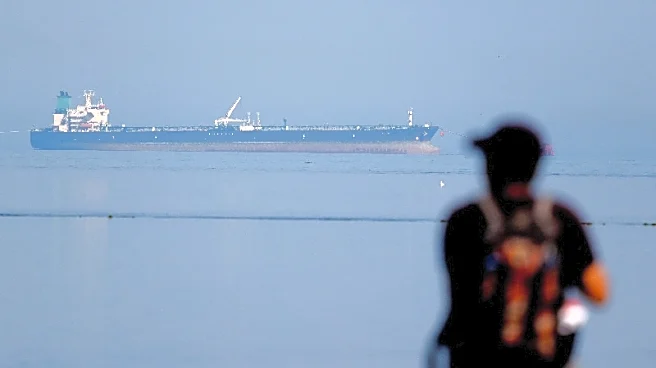
The U.S. Treasury has reached a settlement with Adani Enterprises Limited (AEL), an Indian conglomerate, over allegations of sanctions evasion related to the importation of Iranian liquefied petroleum gas (LPG) into Mundra Port. The settlement, which
involves a payment of $275 million, releases AEL from any criminal liability. The investigation revealed that AEL imported Iranian-origin LPG from November 2023 to June 2025, disguised as Omani and Iraqi gas through a third-party broker. Despite receiving warnings about the shipments' origins, AEL continued the imports, relying on the broker's documentation. The settlement requires AEL to maintain a compliance program for at least five years.
Why It's Important?
This settlement highlights the U.S. government's enforcement of sanctions and the importance of compliance in international trade. The case underscores the risks companies face when engaging in trade with sanctioned countries, even indirectly. For Adani Group, resolving this issue allows it to focus on its business operations without the cloud of legal uncertainty. The settlement also reflects the U.S. Treasury's commitment to upholding sanctions, which can have significant implications for global trade practices and compliance standards. Companies involved in international trade may need to reassess their compliance strategies to avoid similar issues.
What's Next?
Following the settlement, Adani Group is expected to implement and maintain a robust compliance program to prevent future violations. The company will likely focus on strengthening its internal controls and due diligence processes. The resolution of this case may also prompt other companies to review their compliance measures to ensure adherence to international sanctions. Additionally, the settlement may influence future U.S. enforcement actions, as it demonstrates the potential financial and reputational consequences of non-compliance.