



What's Happening?
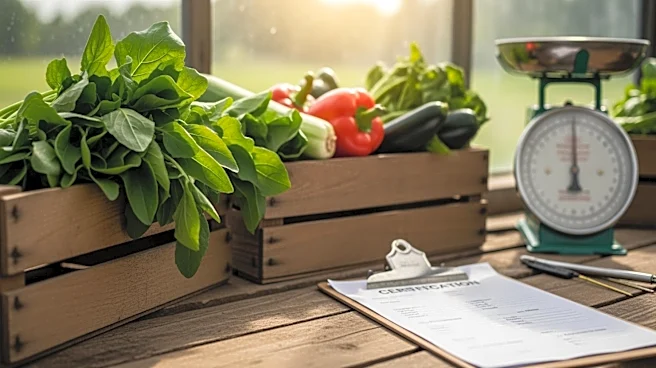
Organic food in the United States is often more expensive than conventional food due to higher production costs. Farmers face increased labor expenses, costly infrastructure, and stringent certification requirements under the USDA organic label. While
large farms can manage these costs, smaller farms struggle, sometimes opting out of certification to save money, which prevents them from marketing their products as 'organic.' Despite consumer trust in the USDA organic label and potential reductions in pesticide exposure, the nutritional benefits of organic foods remain unclear, leading to debates about the justification for their higher prices.
Why It's Important?
The high cost of organic food impacts both consumers and producers. For consumers, the premium price can be a barrier to accessing organic products, potentially limiting their dietary choices. For small-scale farmers, the financial burden of maintaining organic certification can be prohibitive, affecting their market competitiveness and sustainability. This situation highlights broader issues in the agricultural sector, such as the need for policy interventions to support small farmers and make organic food more accessible. The debate over the value of organic food also reflects consumer priorities regarding health, environmental impact, and food safety.