



What's Happening?
Rheaplant, a startup founded in January 2025, is pioneering the use of plant cell culture to produce high-value plant bioactives. The company has recently secured funding from Big Idea Ventures to expand its operations. Unlike traditional agriculture,
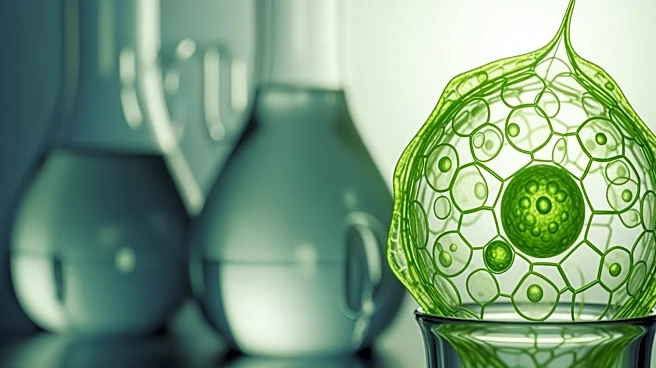
Rheaplant grows plant cells in bioreactors, optimizing conditions for the production of bioactives without the need for soil, sunlight, or water. This method is particularly valuable for producing complex botanicals that are difficult to cultivate through conventional means. Rheaplant is currently working with 13 cell lines, including ashwagandha and American ginseng, and is exploring the production of colorants, sweeteners, and other ingredients.
Why It's Important?
The advancement of plant cell culture technology has the potential to revolutionize the production of nutraceuticals and food ingredients. By bypassing traditional agricultural constraints, Rheaplant's approach could ensure a stable supply of high-demand botanicals, which are often subject to environmental and political disruptions. This method also eliminates the risk of contamination with heavy metals, a common issue with field-grown plants. The ability to produce bioactives in a controlled environment could lead to more consistent and reliable products, benefiting industries reliant on these ingredients. Furthermore, this technology could reduce the environmental impact of agriculture by minimizing land and water use.
What's Next?
Rheaplant plans to scale its operations by building modular bioreactors with a total capacity of over 50,000 liters within the next six years. This expansion aims to achieve commercial viability for a wide range of ingredients. The company is also exploring proprietary technologies to reduce costs and simplify production processes. As Rheaplant continues to develop its technology, it may collaborate with other companies lacking expertise in plant cell culture to expand its reach. The success of this venture could encourage further investment in plant cell culture, potentially leading to new applications and innovations in the field.
Beyond the Headlines
The development of plant cell culture technology represents a significant shift in how we approach agriculture and food production. By moving away from traditional farming methods, this technology challenges existing supply chains and could lead to a reevaluation of agricultural practices. It also raises questions about the future of farming and the role of technology in food production. As this field evolves, it may prompt discussions about the ethical and environmental implications of biomanufacturing, as well as the potential for new regulatory frameworks to address these emerging technologies.