





What's Happening?
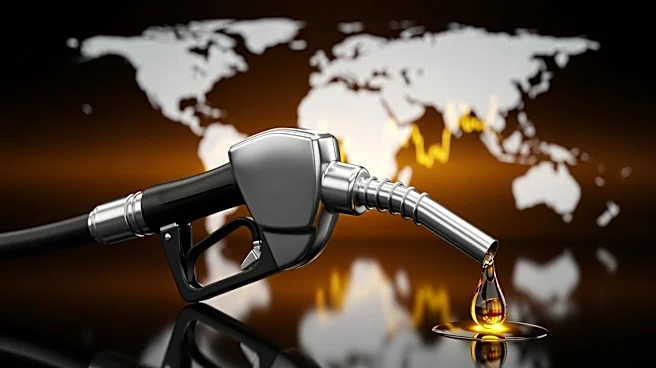
Amazon has announced a new 3.5% fuel and logistics-related surcharge for third-party sellers using its fulfillment services in the U.S. and Canada, effective April 17, 2026. This move is in response to a significant energy supply disruption caused by
the ongoing war in Iran, which has driven oil prices above $100 a barrel and gasoline to $4 a gallon. The surcharge is intended to offset these rising costs and is reportedly lower than those imposed by other carriers. However, experts warn that the additional costs could accumulate, particularly for sellers of low-margin products like household staples, potentially leading to higher consumer prices and financial strain on smaller businesses.
Why It's Important?
The introduction of this surcharge by Amazon highlights the broader economic impact of geopolitical tensions on global supply chains and consumer markets. As fuel prices rise, businesses across various sectors may face increased operational costs, which could be passed on to consumers in the form of higher prices. This development is particularly concerning for small and medium-sized enterprises that operate on thin profit margins and may struggle to absorb these additional expenses. The situation underscores the vulnerability of businesses to external economic shocks and the potential for such surcharges to become a permanent fixture, even after the initial crisis subsides.
What's Next?
As the surcharge takes effect, businesses and consumers alike will be closely monitoring its impact on prices and market dynamics. There is skepticism about whether the surcharge will be removed once the geopolitical situation stabilizes. Additionally, other industries with significant transportation costs, such as airlines and food delivery services, may consider similar surcharges, further affecting consumer expenses. Stakeholders will need to navigate these challenges while advocating for policies that mitigate the impact of such economic disruptions.