



What's Happening?
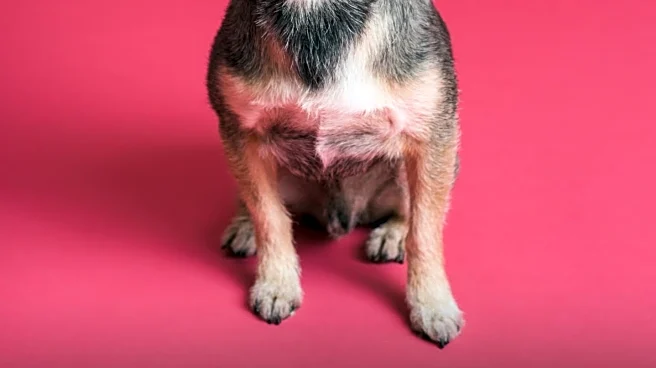
A tiny long-haired Chihuahua named Winnie has captured the hearts of social media users with her adorable appearance and charming demeanor. In a TikTok video shared by @hostilerabbits, Winnie is seen lying in bed, wearing a stylish pink sweater that complements her silky brown fur. The video highlights her calm and content expression, which has been described as serene and sophisticated. Weighing just 3 pounds, Winnie is considered a 'Teacup' or 'Micro' Chihuahua, a classification for Chihuahuas under 4 pounds. The video has garnered significant attention, with followers expressing their admiration and affection for the petite canine in the comments.
Why It's Important?
The viral attention Winnie has received underscores the growing influence of social media in shaping
public interest and affection towards pets, particularly those with unique or endearing characteristics. This phenomenon highlights the potential for social media platforms to elevate the profiles of animals, leading to increased awareness about specific breeds and their care requirements. For Teacup Chihuahuas like Winnie, this attention can bring to light the special care they require, including a balanced diet, frequent bathroom breaks, and protection from cold due to their small size. The popularity of such content also reflects broader societal trends where pets are increasingly seen as family members, deserving of attention and care.
What's Next?
As Winnie continues to charm audiences online, there may be increased interest in Teacup Chihuahuas, prompting potential pet owners to seek out these small dogs. This could lead to a rise in demand for such breeds, emphasizing the need for responsible breeding practices and awareness of the health issues these dogs may face. Additionally, the social media spotlight on Winnie could inspire more pet owners to share their own pets' stories, further fueling the trend of pet-centric content on platforms like TikTok.
Beyond the Headlines
The fascination with Winnie and similar pets on social media raises questions about the ethical implications of breeding for specific traits, such as size, which can lead to health complications. It also highlights the cultural shift towards digital platforms as spaces for community building and shared experiences around pet ownership. As more people turn to social media for entertainment and connection, the role of these platforms in shaping perceptions and behaviors related to pet care and adoption becomes increasingly significant.