






What's Happening?
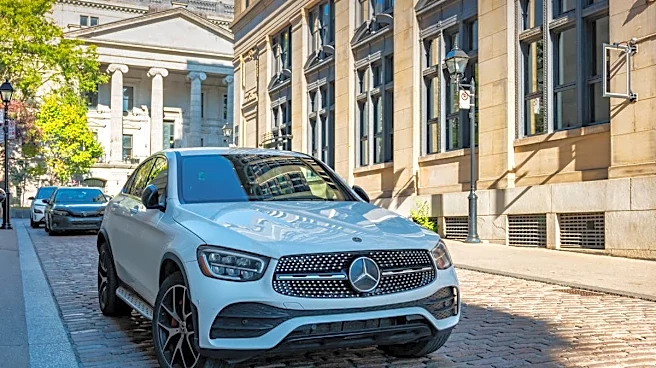
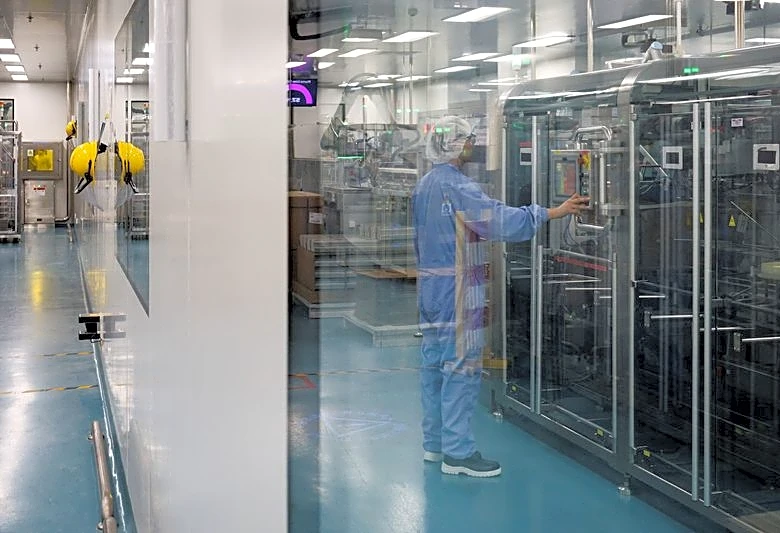
China has invested $6 billion in Morocco, transforming it into a major hub for electric vehicle (EV) manufacturing. This investment includes the development of a 500-hectare industrial park near Tangier and a $1.3 billion gigafactory for battery production.
The influx of Chinese capital is raising concerns in the European Union (EU) about potential circumvention of tariffs on Chinese goods. The EU has imposed tariffs of up to 45% on EVs imported directly from China to protect its domestic market. European officials fear that Morocco could serve as a backdoor for Chinese products to enter the EU market tariff-free, undermining local industries.
Why It's Important?
The strategic positioning of Morocco as an EV manufacturing hub could significantly impact the global automotive industry. For the EU, this development presents a challenge to its trade policies and industrial base, as Chinese companies may use Morocco to bypass tariffs. This situation could lead to increased competition for European manufacturers and potentially lower prices for consumers. However, it also raises concerns about the sustainability of local industries and the effectiveness of trade barriers. The investment in Morocco highlights China's growing influence in the global EV market and its ability to shape international trade dynamics.
What's Next?
The EU may need to reassess its trade policies and consider new strategies to protect its industries while maintaining fair competition. This could involve stricter enforcement of rules of origin and increased scrutiny of supply chains. Meanwhile, Morocco is likely to continue attracting foreign investment, leveraging its strategic location and trade agreements with both the EU and the U.S. The development of a robust EV supply chain in Morocco could create jobs and boost the local economy, but it will also require careful management to ensure compliance with international trade regulations.