



What's Happening?
Psychologists Mike Rucker and Catherine Price argue that incorporating more fun into daily life can counteract stress and improve overall health. Their books, 'The Fun Habit' and 'The Power of Fun,' suggest that fun experiences are more valuable than
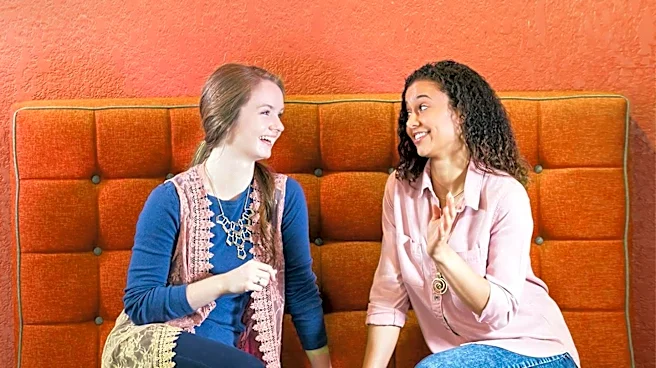
the abstract pursuit of happiness. Fun is described as an active, intentional activity that often involves social interaction and can provide a sense of playfulness and connection. NPR readers shared various activities they find fun, such as making giant soap bubbles, thrift shopping, and playing the ukulele. Experts recommend identifying 'fun magnets' and scheduling fun activities to enhance well-being.
Why It's Important?
The emphasis on fun as a means to improve health and reduce stress is particularly relevant in the context of post-pandemic recovery, where many individuals are dealing with increased stress from political, economic, and social issues. By prioritizing fun, people can experience moments of joy and connection that contribute to better mental health and resilience. This approach challenges the traditional focus on happiness and suggests a more accessible way to enhance life satisfaction. Encouraging fun activities can also foster community engagement and social bonds, which are crucial for emotional support.
What's Next?
Individuals are encouraged to explore activities that bring them joy and to integrate these into their routines. This may involve trying new hobbies, joining social groups, or simply spending time with friends and family. As awareness of the benefits of fun grows, there may be increased interest in research on the psychological and physiological effects of fun. Communities and organizations might also promote fun activities as part of wellness programs, recognizing their role in improving quality of life.
Beyond the Headlines
The focus on fun highlights broader cultural shifts towards valuing experiences and connections over material success. It raises questions about how society defines happiness and well-being, and the potential for fun to serve as a counterbalance to the pressures of modern life. This perspective may influence public health strategies and encourage a reevaluation of work-life balance, leisure time, and social interactions.