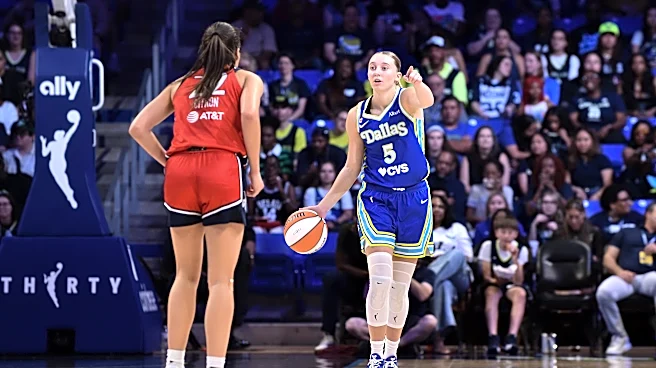

What's Happening?
The WNBA has initiated an officiating task force to tackle ongoing concerns about consistency in game officiating. This move comes amid growing discussions about player safety, injury prevention, and the
balance between physical play and freedom of movement. The task force aims to improve the flow of the game and ensure consistent officiating across all matches. The league's decision to form this task force is part of a broader effort to address criticisms and enhance the overall quality of the game. The task force will focus on how officiating impacts players, coaches, and fans, and will explore the potential implementation of a last two-minute report to further improve transparency and accountability in officiating.
Why It's Important?
The establishment of the officiating task force is significant as it addresses key issues that affect the integrity and enjoyment of the game. Consistent officiating is crucial for maintaining fair play and protecting players from unnecessary injuries. By focusing on these areas, the WNBA is taking proactive steps to enhance player safety and improve the overall experience for fans and participants. This initiative could lead to more predictable and fair outcomes in games, potentially increasing the league's credibility and popularity. Stakeholders such as players, coaches, and fans stand to benefit from improved officiating standards, which could also attract more viewership and support for the league.
What's Next?
The task force will continue to evaluate the current officiating practices and make recommendations for improvements. As the season progresses, the league may implement new rules or guidelines based on the task force's findings. The potential introduction of a last two-minute report could provide additional insights into officiating decisions during critical moments of the game. Stakeholders, including teams and players, are likely to monitor these developments closely, as they could impact game strategies and outcomes. The league's commitment to addressing officiating issues may also prompt other sports organizations to consider similar measures.
Beyond the Headlines
The formation of the officiating task force highlights the WNBA's commitment to evolving and adapting to the needs of its players and fans. This initiative may set a precedent for other sports leagues to follow, emphasizing the importance of transparency and accountability in officiating. Additionally, the focus on player safety and freedom of movement reflects broader societal concerns about athlete welfare and the need for sports organizations to prioritize health and safety. The task force's work could lead to long-term changes in how games are officiated, potentially influencing the culture and standards of professional sports.