





What's Happening?
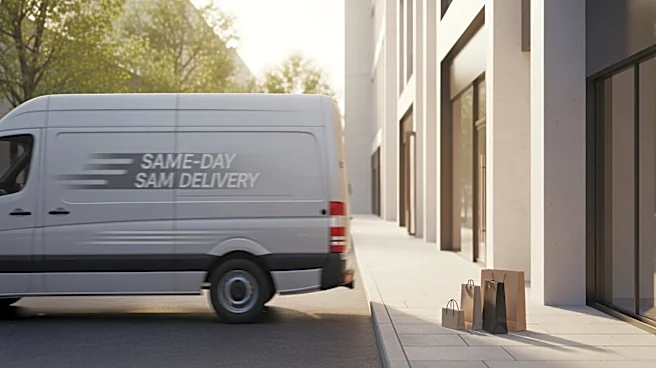
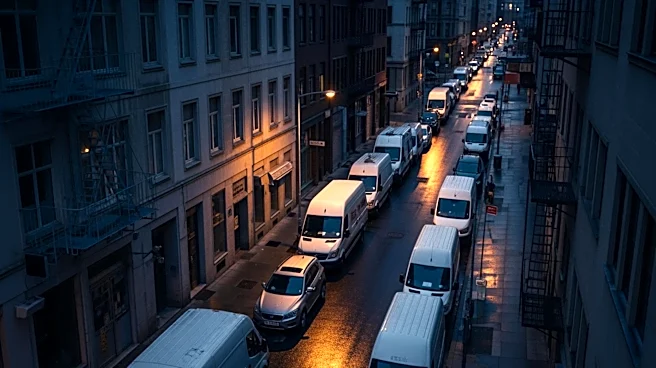
Delivery companies such as FedEx, UPS, and Amazon are frequently incurring millions of dollars in parking fines in New York City due to the lack of available curb space. The rapid growth of e-commerce has led to an increased demand for deliveries, which
has outpaced the availability of designated commercial loading zones. As a result, delivery drivers often resort to double parking or stopping in restricted areas, leading to frequent parking violations. In some cases, companies can negotiate reduced charges if they agree not to contest the tickets. This issue is highlighted by a viral video showing a UPS driver in New York City receiving a parking ticket while struggling to find a legal parking spot.
Why It's Important?
The parking challenges faced by delivery companies in New York City highlight a significant logistical issue in urban areas with high e-commerce activity. The fines incurred by these companies represent a substantial financial burden, which could potentially be passed on to consumers through higher delivery fees. Additionally, the lack of parking space contributes to traffic congestion and delays, affecting the efficiency of delivery services. This situation underscores the need for urban planning solutions that accommodate the growing demand for delivery services while maintaining traffic flow and minimizing disruptions.
What's Next?
To address the parking challenges, city planners and delivery companies may need to collaborate on solutions such as expanding commercial loading zones or implementing technology-driven systems to optimize parking space usage. Policymakers might also consider revising parking regulations to better accommodate the needs of delivery services. The ongoing dialogue between city officials and delivery companies will be crucial in finding a sustainable solution that balances the needs of businesses, consumers, and urban infrastructure.
Beyond the Headlines
The parking issue in New York City reflects broader challenges faced by urban areas worldwide as they adapt to the digital economy. The rise of e-commerce has transformed consumer behavior, increasing the demand for fast and reliable delivery services. This shift necessitates a reevaluation of urban infrastructure and policies to support the evolving needs of businesses and residents. The situation also raises questions about the environmental impact of increased delivery traffic and the potential for innovative solutions, such as electric delivery vehicles or drone deliveries, to mitigate these effects.