
What's Happening?
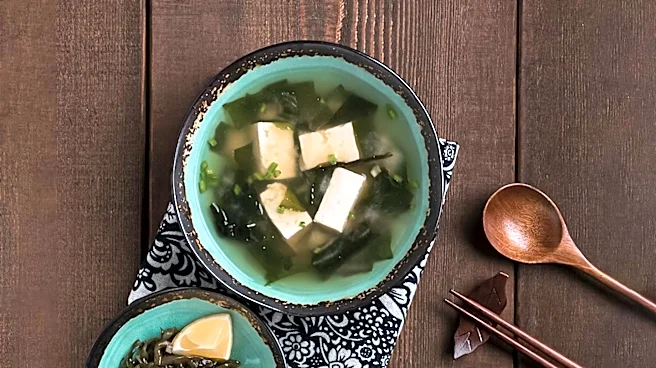
A recent article in Hospitality Net explores the integration of ancestral superfoods into Asian hospitality menus as a means to promote sustainable nutrition. The piece highlights seven superfoods from
six Asian countries, including kombu from Japan, bamboo shoots from China, and holy basil from Thailand. These ingredients are celebrated for their health benefits and cultural significance, offering a framework for building health-focused food and beverage experiences. The article emphasizes the importance of sustainable gastronomy, which aligns with global trends towards environmentally friendly and health-conscious dining. Chefs and hospitality operators are encouraged to incorporate these nutrient-dense foods into their menus to meet the growing demand for wellness-oriented dining options.
Why It's Important?
The focus on ancestral superfoods in hospitality reflects a broader shift towards sustainable and health-conscious dining, which is increasingly important in the U.S. as well. This approach not only supports individual health but also promotes environmental stewardship by encouraging the use of locally sourced and ethically produced ingredients. As consumers become more aware of the impact of their food choices, the hospitality industry can play a pivotal role in shaping sustainable dining practices. This trend could lead to increased demand for similar initiatives in the U.S., influencing menu design and food sourcing strategies across the hospitality sector.
Beyond the Headlines
The integration of ancestral superfoods into hospitality menus also highlights the cultural and historical significance of these ingredients. By preserving traditional food practices, the hospitality industry can offer guests a deeper connection to the cultural heritage of the regions they visit. This approach not only enhances the dining experience but also supports the preservation of biodiversity and traditional agricultural practices. As the industry continues to evolve, there is potential for these practices to influence broader food systems and consumer behavior, promoting a more sustainable and culturally rich approach to nutrition.