
What's Happening?
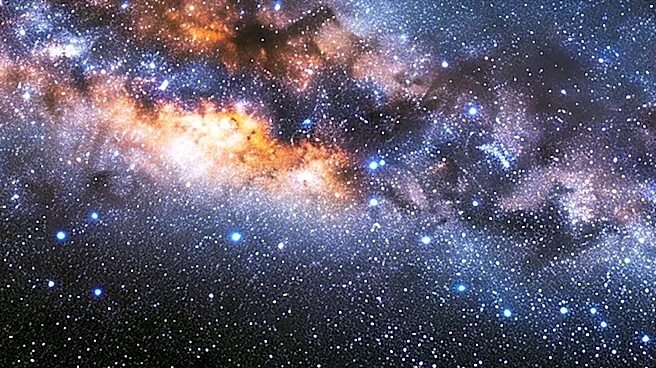
Skywatchers in the Northern Hemisphere are set to experience an exceptional stargazing opportunity in mid-May, as the Milky Way becomes visible in unprecedented detail due to a rare stretch of moonless
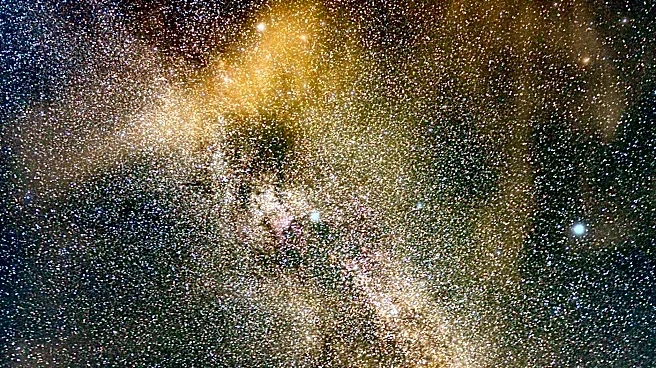
nights. Around May 16, the galaxy's bright center will rise high in the southern sky, offering a clear view away from city lights. This period, known as 'Core Season,' allows for the best visibility of the Milky Way's dense and luminous center, which is typically obscured by moonlight. The absence of natural light will enhance the visibility of faint stars and interstellar structures.
Why It's Important?
This celestial event provides a unique opportunity for both amateur and professional astronomers to observe the Milky Way's core, which is not always visible due to light pollution and moonlight. The event highlights the importance of dark sky preservation and the impact of urban lighting on astronomical observations. It also serves as an educational moment, encouraging public interest in astronomy and the natural world. The event could inspire future generations to engage in scientific exploration and environmental conservation.
What's Next?
To maximize the viewing experience, experts recommend finding a dark sky location, such as national parks or rural areas, and allowing eyes to adjust to the darkness for 20-30 minutes. Binoculars can enhance the view, revealing additional star clusters and textures. As interest in astronomy grows, there may be increased advocacy for dark sky initiatives and efforts to reduce light pollution. This event could also lead to more public stargazing events and educational programs to foster a deeper appreciation for the night sky.