




What's Happening?
A recent discussion highlights the challenges vegetarians face in maintaining adequate iron levels, as non-heme iron from plant sources is less readily absorbed than heme iron from animal products. Nutritionist Dominique Ludwig emphasizes the importance
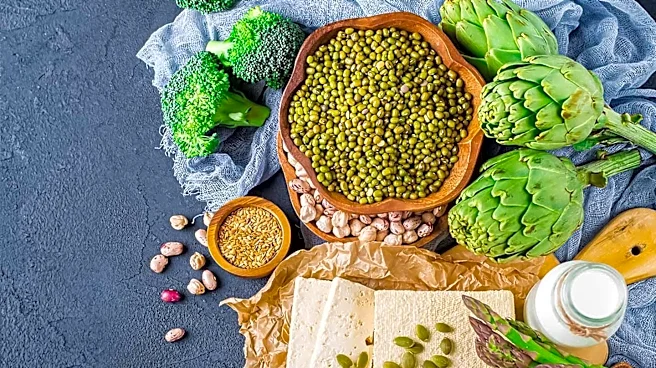
of combining non-heme iron sources with vitamin C to enhance absorption. Common vegetarian iron sources include beans, tofu, leafy greens, and nuts. The article suggests practical dietary strategies, such as incorporating vitamin C-rich foods like peppers and tomatoes with iron-rich meals, to improve iron absorption. Additionally, it addresses the potential absorption inhibitors like phytates and tannins found in certain plant foods and beverages.
Why It's Important?
Iron deficiency is a common nutritional concern, particularly among women, with significant implications for health, including fatigue and impaired cognitive function. For vegetarians, understanding how to optimize iron intake is crucial, as they rely on non-heme iron sources. The guidance provided can help vegetarians improve their dietary iron absorption, potentially reducing the risk of deficiency. This information is particularly relevant given the increasing popularity of vegetarian diets in the U.S., where individuals may need to be more mindful of their nutrient intake to maintain overall health.
What's Next?
Vegetarians may need to adjust their dietary habits to ensure adequate iron intake, potentially incorporating more diverse sources of iron and vitamin C into their meals. Nutritionists and healthcare providers might focus on educating patients about the importance of nutrient pairing and the potential impact of dietary inhibitors on iron absorption. As awareness grows, food manufacturers could also respond by developing fortified products that cater to the nutritional needs of vegetarians.
Beyond the Headlines
The discussion around vegetarian iron intake also touches on broader themes of dietary education and public health. As plant-based diets gain traction, there is a growing need for comprehensive nutritional guidance to prevent deficiencies. This situation underscores the importance of personalized nutrition advice and the role of healthcare professionals in supporting dietary transitions. Additionally, it highlights the potential for innovation in food products that address specific nutritional gaps in vegetarian diets.