


What's Happening?
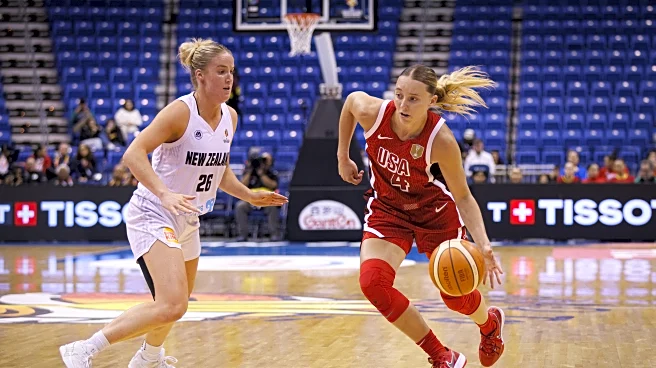
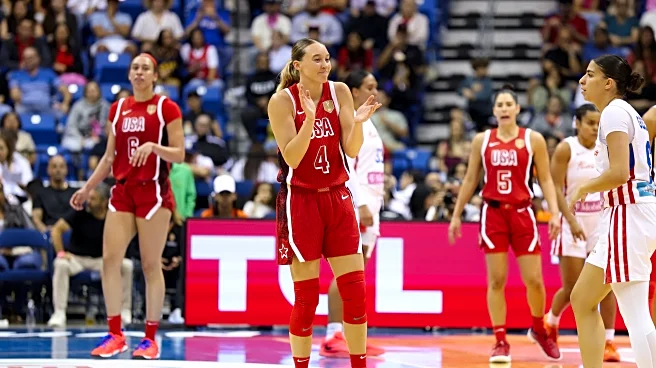
Angel Reese, a player for Team USA, is reported to have intentionally ignored her teammate Caitlin Clark during a World Cup qualifying match against Puerto Rico. Video footage from the game suggests that Reese avoided passing the ball to Clark, who scored
8 points and secured 3 rebounds in 18 minutes of play. Reese, on the other hand, contributed 10 points and 13 rebounds in 16 minutes. This incident has reignited discussions about a possible feud between the two players, with fans speculating that Reese's actions were driven by jealousy. The tension between Reese and Clark has been a topic of interest, especially after Reese's previous social media activity mocking Clark. The situation has sparked debates among fans and commentators about team dynamics and sportsmanship.
Why It's Important?
The alleged tension between Angel Reese and Caitlin Clark highlights the challenges of team dynamics in professional sports. Such interpersonal conflicts can impact team performance and morale, potentially affecting the outcomes of important matches. For Team USA, maintaining unity is crucial as they compete on the international stage. The situation also underscores the role of media and public perception in shaping athlete relationships, as constant comparisons and scrutiny can exacerbate personal rivalries. This incident may prompt discussions within the team and among sports organizations about managing player relationships and ensuring a cohesive team environment.
What's Next?
If the tension between Reese and Clark continues, it could lead to further scrutiny from coaches and team management. They may need to address the issue to prevent it from affecting future performances. Additionally, the public and media attention on this rivalry could influence how both players are perceived and marketed. Team USA might consider implementing strategies to foster better communication and collaboration among players. The situation could also lead to broader discussions within the sports community about handling personal conflicts in team settings.