



What's Happening?
MindBio Therapeutics Corp., a Canadian biotech company, has announced an expansion of its private placement offering to CA$1.5 million, aimed at advancing its AI technology for detecting intoxication through voice analysis. The company is developing personal-use
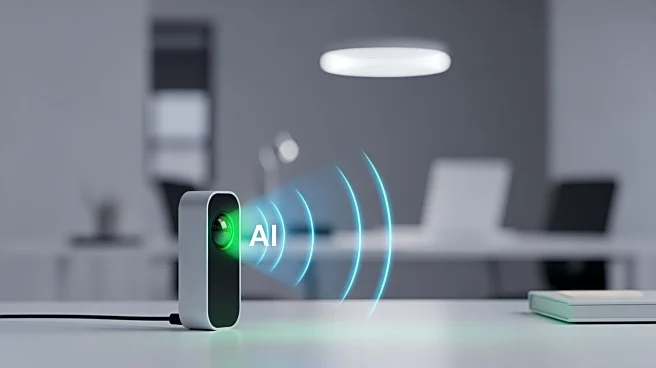
smartphone apps and corporate kiosks to analyze vocal markers and detect impairment from alcohol or illicit substances. This technology is being targeted at industries such as mining, aviation, construction, and law enforcement, where intoxication can lead to significant safety risks. MindBio's Booze AI app, described as the world's first voice-activated AI-powered blood alcohol test, is already live, providing instant results to users. The company is also developing Edge-AI kiosks for non-invasive intoxication screenings at large mining sites, addressing the economic burden of traditional screening methods.
Why It's Important?
The development of MindBio's AI technology is significant as it offers a non-invasive, scalable solution to detect intoxication, potentially reducing workplace accidents and improving safety in zero-tolerance industries. The technology's ability to analyze voice markers without being affected by language or accent makes it a versatile tool for global application. With industries like mining facing high rates of substance abuse, this technology could prevent costly incidents and improve worker safety. The broader implications include potential applications in telehealth and disease prediction, highlighting the growing intersection of AI and healthcare.
What's Next?
MindBio plans to deploy its Edge AI kiosks by June 2026, with initial partnerships in the mining sector in South America. The company is also exploring applications in other industries and telehealth, aiming to expand its market presence. As the technology gains traction, it could lead to wider adoption across various sectors, potentially influencing regulatory standards for workplace safety and intoxication screening.
Beyond the Headlines
The ethical implications of using AI for intoxication detection include concerns about privacy and the potential for misuse of personal data. However, MindBio's technology offers a non-discriminatory approach to screening, which could set a precedent for future AI applications in healthcare and workplace safety. The company's focus on voice-based biomarkers aligns with a broader trend towards passive health monitoring, which could transform how health data is collected and utilized.