







What's Happening?
The precision agriculture market is experiencing rapid growth as farmers and agribusinesses increasingly adopt advanced technologies to enhance productivity and sustainability. According to a report by The Business Research Company, the market size is projected
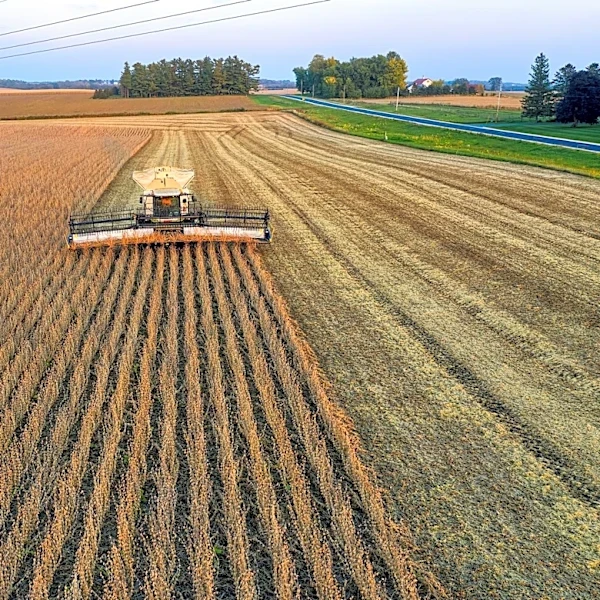
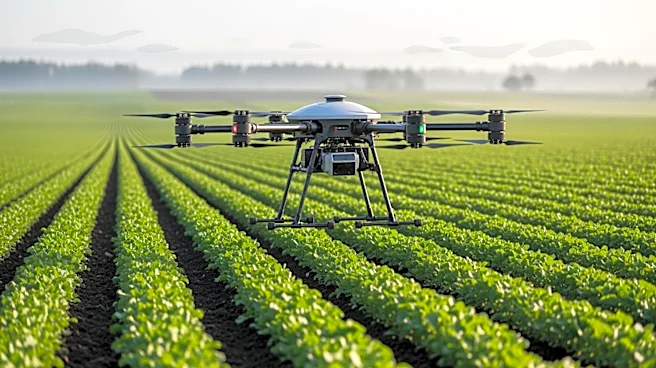
to grow from $9.37 billion in 2025 to $10.54 billion in 2026, with a compound annual growth rate (CAGR) of 12.5%. This growth is driven by advancements such as GPS-based field mapping, remote sensing technologies, and yield monitoring systems. The market is expected to continue its upward trajectory, reaching $16.72 billion by 2030. Key factors contributing to this expansion include the rising demand for real-time farm data, increased use of autonomous machinery, and the integration of AI-powered farm analytics.
Why It's Important?
The growth of the precision agriculture market is significant as it addresses the increasing global demand for food, driven by population growth and changing dietary patterns. Precision agriculture technologies enable farmers to optimize resource use, improve crop yields, and enhance sustainability. This is crucial in the context of challenges such as soil degradation and climate change. By providing data-driven insights, these technologies help farmers make informed decisions, reduce waste, and increase efficiency. The expansion of this market is likely to have a positive impact on food security and agricultural sustainability, benefiting both producers and consumers.
What's Next?
As the precision agriculture market continues to grow, further advancements in technology are expected to drive innovation in farming practices. The adoption of cloud-based farm management platforms and AI-powered analytics will likely increase, providing farmers with more precise tools for managing their operations. Additionally, the Asia-Pacific region is anticipated to experience the fastest growth, presenting new opportunities for market expansion. Stakeholders in the agricultural sector, including technology providers and policymakers, will need to collaborate to support the adoption of these technologies and address potential challenges related to data privacy and infrastructure development.