








What's Happening?
General Dynamics has reported a robust start to 2026, with significant growth in its Marine Systems segment, which focuses on maritime projects. The company achieved a 10.3% increase in overall first-quarter revenue, reaching $13.5 billion. The Marine Systems segment, which includes
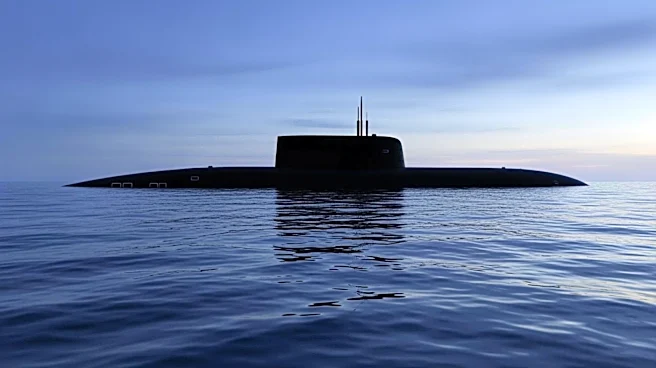
submarine builder Electric Boat and surface shipyards Bath Iron Works and NASSCO, saw a 21% rise in revenue to $4.34 billion. This growth is largely attributed to ongoing U.S. Navy investments in fleet recapitalization, particularly the Columbia- and Virginia-class submarine programs. Operating earnings for Marine Systems increased by 26.4% to $316 million, with an improved operating margin of 7.3%. The segment now represents about one-third of General Dynamics' total revenue, highlighting the increasing importance of naval shipbuilding within the company's defense portfolio.
Why It's Important?
The strong performance of General Dynamics' Marine Systems segment underscores the critical role of U.S. Navy investments in driving growth within the defense industry. The continued demand for submarines and surface ships not only supports the company's financial health but also reflects broader national security priorities. The substantial backlog of $63.97 billion and an estimated total contract value of $76.5 billion indicate sustained future growth, which is vital for maintaining the U.S. Navy's operational capabilities. This growth also suggests potential job creation and economic benefits in regions where shipbuilding facilities are located, contributing to local economies and the broader defense industrial base.
What's Next?
General Dynamics is expected to continue benefiting from U.S. Navy investments, with the Marine Systems segment poised for further expansion. The ongoing demand for Columbia- and Virginia-class submarines will likely drive future revenue and earnings growth. The company may also focus on improving operational efficiencies to enhance profit margins, which have historically lagged behind other divisions. Stakeholders, including investors and regional economies, will be closely monitoring the company's ability to manage costs and meet production schedules, which are critical for sustaining long-term growth and competitiveness in the defense sector.