



What's Happening?
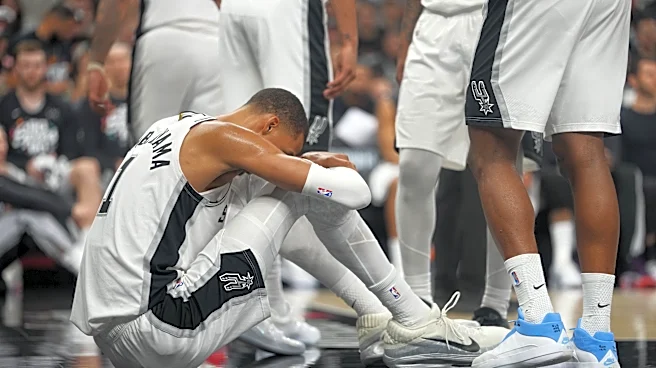
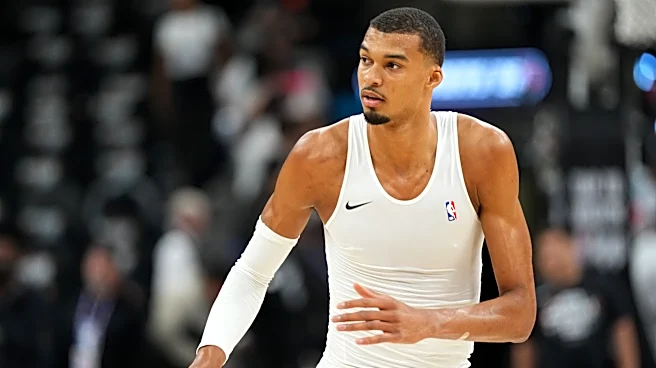
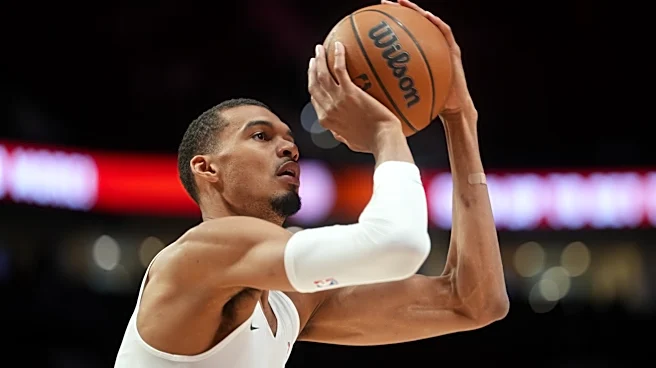
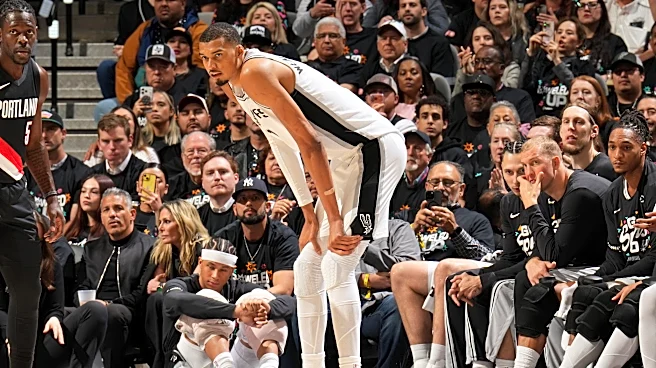
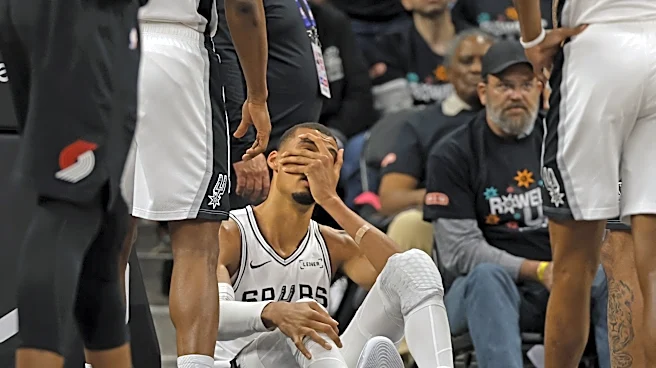
San Antonio Spurs star Victor Wembanyama expressed disappointment with how his return from a concussion was managed during the NBA playoffs. The Spurs announced shortly before Game 4 of their first-round series against the Portland Trail Blazers that
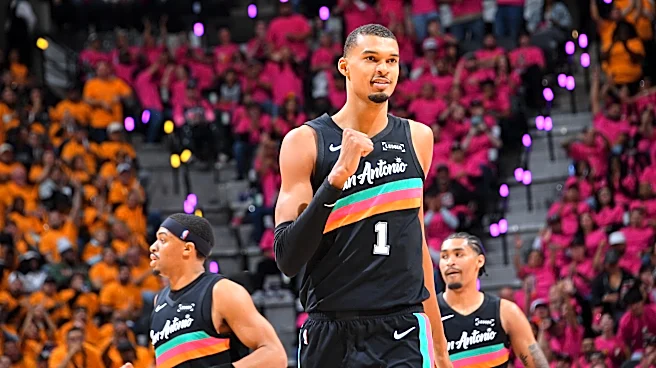
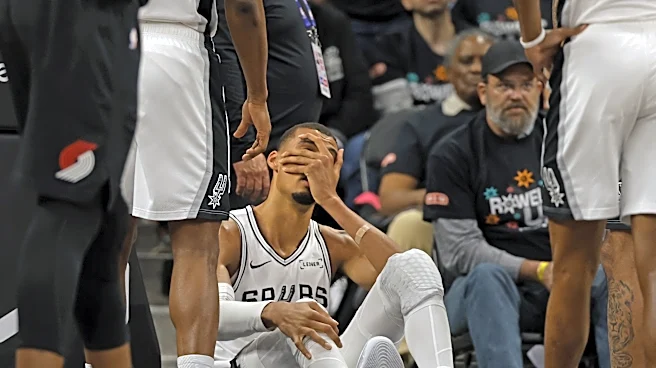
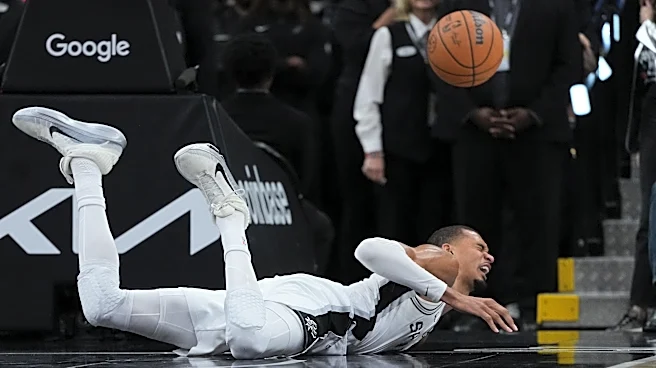
Wembanyama was cleared to play after passing the league's concussion protocol. Despite his return, Wembanyama criticized the handling of the situation, though he did not elaborate on specific grievances. He emphasized that his comments were not directed at the Spurs' medical staff. Wembanyama had been sidelined for Game 3 due to the concussion, which he sustained in Game 2. In his return, he contributed significantly to the Spurs' 114-93 victory, scoring 27 points, grabbing 11 rebounds, and blocking seven shots. The win gave the Spurs a 3-1 lead in the series, with Game 5 scheduled to take place in San Antonio.
Why It's Important?
The handling of concussion protocols in professional sports is a critical issue, as it directly impacts player safety and well-being. Wembanyama's comments highlight potential concerns about the effectiveness and transparency of the NBA's concussion management procedures. This situation underscores the ongoing debate about how sports leagues balance competitive pressures with the health of their athletes. The outcome of this incident could influence future policy adjustments within the NBA and other sports organizations, potentially leading to stricter enforcement or revisions of existing protocols. For the Spurs, Wembanyama's return and performance are crucial as they aim to advance in the playoffs, but the controversy may also serve as a distraction.
What's Next?
As the Spurs prepare for Game 5, the focus will be on maintaining their momentum and closing out the series against the Trail Blazers. Meanwhile, the NBA may face increased scrutiny over its concussion protocols, possibly prompting a review or public clarification of the procedures involved. Wembanyama's decision to withhold further comments until after the season suggests that more detailed discussions or statements could emerge later, potentially influencing league policies or sparking broader discussions about player health and safety in professional sports.