
What's Happening?
The gold market has witnessed a surge in consumer activity as prices reached record highs in early 2026, with New York spot gold hitting over $5,418 per troy ounce. This has prompted many consumers to
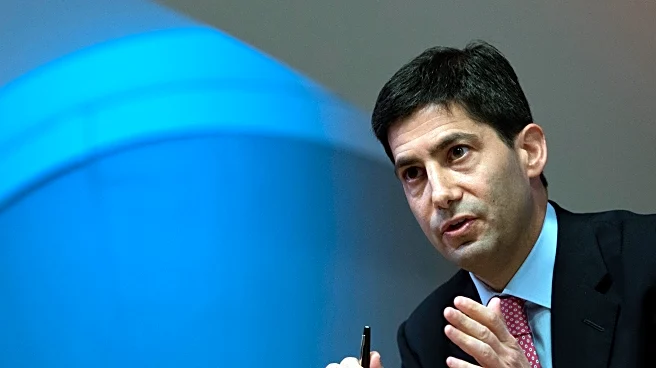
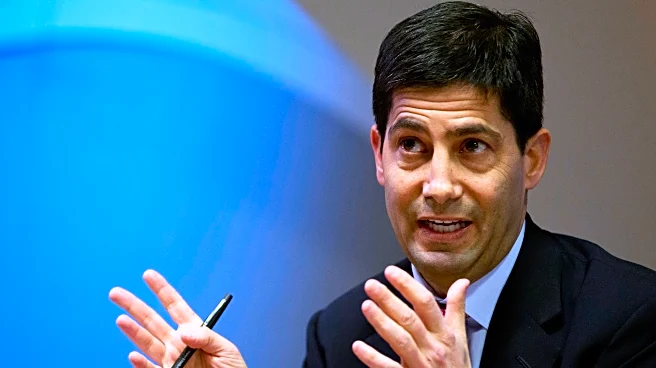
buy or sell gold, including jewelry, coins, and bars. The price surge is attributed to geopolitical tensions, economic uncertainty, and President Trump's announcement of Kevin Warsh as the next Federal Reserve chair. However, prices have since fallen below $5,000, indicating a potential market correction. The volatility in gold prices reflects broader economic concerns and investor anxiety.
Why It's Important?
The increased consumer interest in gold highlights its role as a safe-haven asset during times of economic uncertainty. The fluctuations in gold prices can impact various stakeholders, including jewelry retailers and investors. Higher gold prices affect the cost of gold products, while the volatility presents both risks and opportunities for investors. The market's response to geopolitical events and monetary policy changes underscores the interconnectedness of global economies and the influence of U.S. policy decisions on international markets.
What's Next?
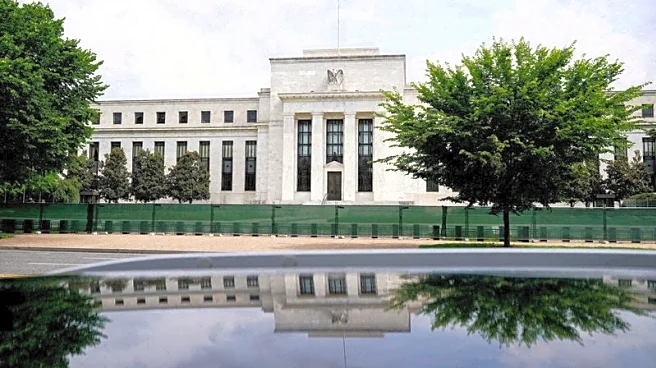
As the market adjusts to recent developments, consumers and investors will continue to monitor gold prices and economic indicators. The Federal Reserve's future actions, particularly under new leadership, will be crucial in determining the direction of interest rates and inflation. Investors may reassess their portfolios, considering the potential for further price swings in gold and other commodities. The ongoing geopolitical tensions and economic policies will likely influence market dynamics and consumer behavior in the coming months.