
What's Happening?
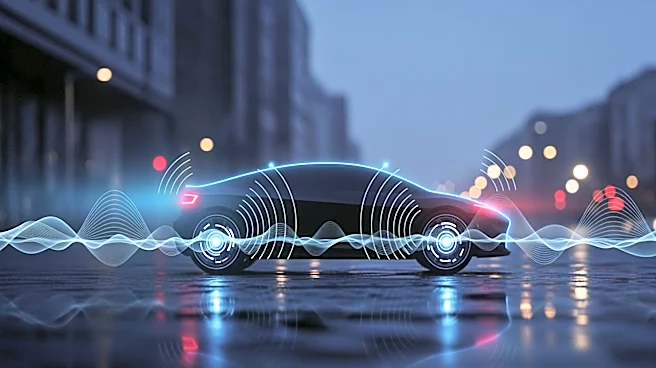
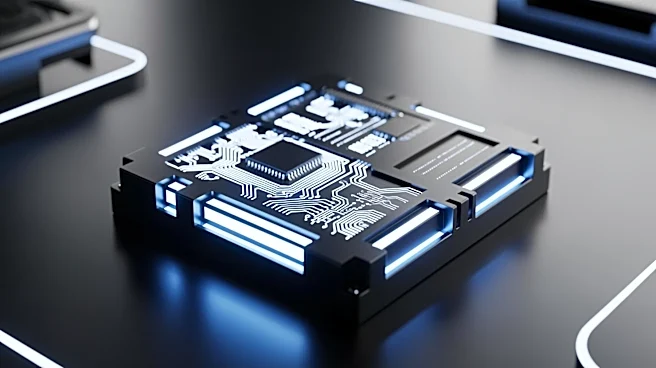
Electronic Control Units (ECUs) have become integral to the operation of modern vehicles, managing everything from engine performance to safety features. A single vehicle can contain over 100 ECUs, each
dedicated to specific functions such as fuel delivery, collision prevention, and emissions control. These units process real-time data from sensors and adjust vehicle systems to maintain optimal performance. ECUs are also crucial in electric and hybrid vehicles, managing battery systems and coordinating powertrains. As vehicles become more connected and automated, the role of ECUs continues to expand.
Why It's Important?
ECUs are essential for the functionality and safety of modern vehicles, enabling advanced features like adaptive cruise control and automatic emergency braking. They contribute to improved fuel efficiency and emissions compliance, helping manufacturers meet regulatory standards. The integration of ECUs in electric and hybrid vehicles supports the transition to more sustainable transportation options. As the automotive industry moves towards greater automation, ECUs will play a critical role in enabling autonomous driving technologies and enhancing vehicle connectivity.
What's Next?
The future of ECUs involves further integration with artificial intelligence and centralized computing platforms, reducing complexity and improving data processing capabilities. Over-the-air software updates will allow manufacturers to enhance ECU performance remotely, adding new features and fixing issues without dealership visits. As vehicles become more connected, ECUs will support advanced driver assistance systems and autonomous driving functions. The continued evolution of ECUs will shape the future of transportation, driving innovation in vehicle design and functionality.