




What's Happening?
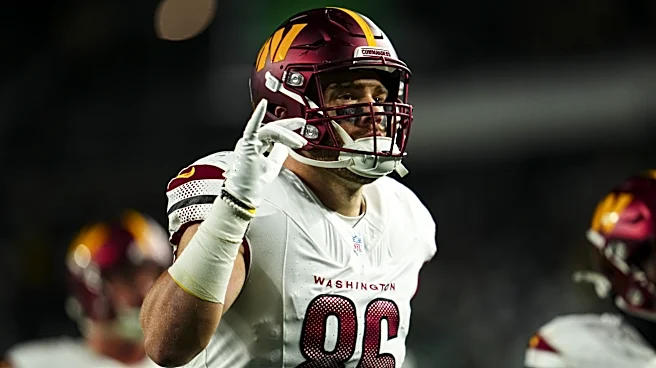
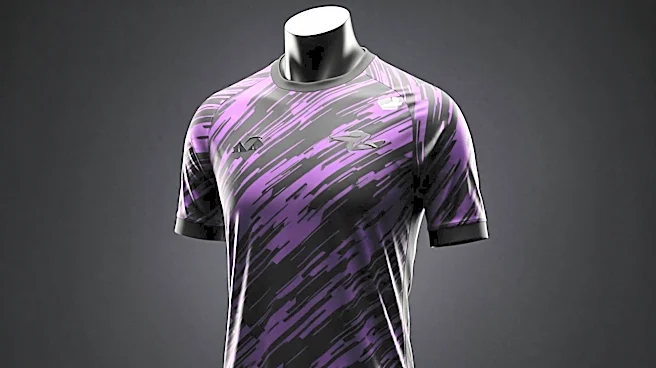
The Washington Commanders have introduced new uniforms for the 2026 NFL season, drawing inspiration from the team's Super Bowl era. The redesign includes three distinct looks: a primary burgundy and gold jersey for home games, a white jersey for away
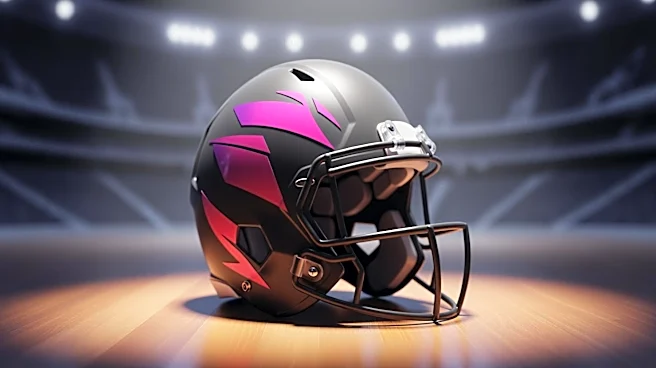
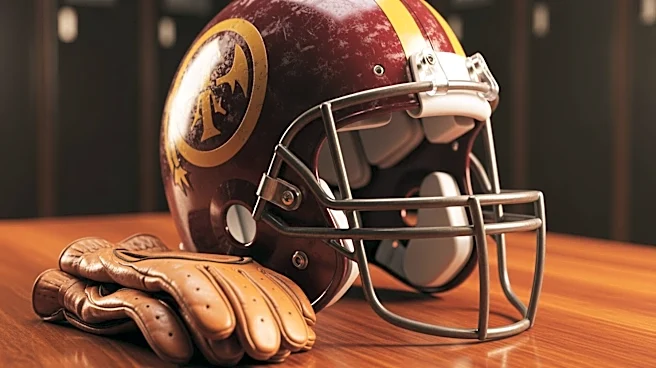
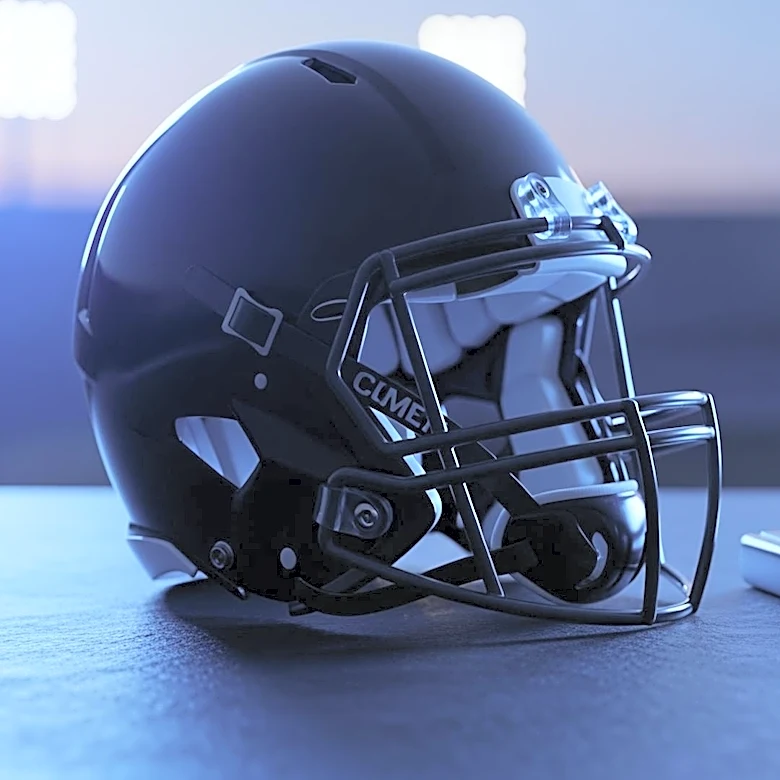
games, and a black 'Hail Raiser' uniform as an alternate. The 'Hail Raiser' features a helmet with the team's 'W' logo and a spear, symbolizing the 'tip of the spear' and representing the top fighters and leaders. The redesign aims to merge the franchise's storied past with a modern identity, a move that has been positively received by fans. The uniforms pay homage to the team's history, particularly its Super Bowl seasons, while avoiding direct reference to the team's former controversial name.
Why It's Important?
The unveiling of the new uniforms is significant as it reflects the Washington Commanders' effort to honor their legacy while embracing a modern identity. This move is part of a broader trend in sports where teams seek to balance tradition with contemporary branding. The positive reception from fans indicates a successful engagement with the team's history, potentially boosting team morale and fan support. The redesign also highlights the ongoing conversation about sports teams' identities and the importance of cultural sensitivity in branding decisions. By avoiding direct reference to their former name, the Commanders navigate the complexities of honoring history while respecting current social norms.
What's Next?
As the 2026 NFL season approaches, the Washington Commanders will likely continue to promote their new uniforms and engage with fans through various marketing strategies. The team may also monitor fan reactions and feedback to further refine their branding efforts. Additionally, other sports franchises might observe the Commanders' approach as a case study in balancing historical homage with modern branding, potentially influencing future uniform redesigns across the league. The Commanders' decision could also prompt discussions among stakeholders about the role of sports branding in cultural representation and identity.