
What's Happening?
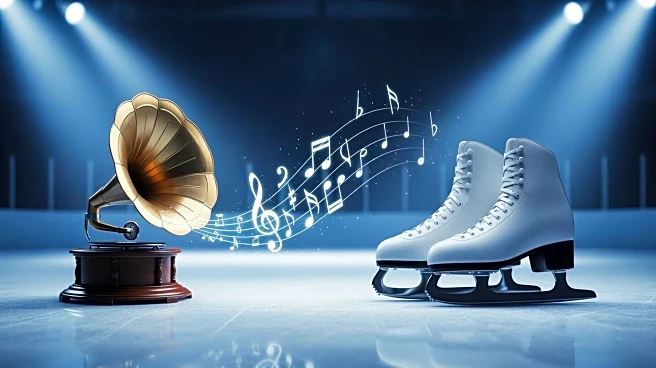
Spanish figure skater Tomas-Llorenc Guarino Sabate is navigating complex music approval processes for his Olympic short program, which features a Minions-themed medley. Sabate has secured approval for three out of four music pieces, with the final piece, 'Freedom' by Pharrell Williams, still pending due to label restrictions. Despite these challenges, Sabate remains optimistic, having received significant support from fans and the music community. The issue arose when Universal Studios requested additional details about the music and Sabate's Minions-themed costume, prompting him to consider reverting to last year's program. However, recent developments have allowed him to proceed with most of his original plan.
Why It's Important?
This situation highlights the
growing complexity of music rights in figure skating, especially since the International Skating Union allowed lyrics in 2014. The need for proper permissions has become more pressing, as seen in past controversies like the 2022 Beijing Olympics lawsuit over music rights. The outcome of Sabate's case could influence how skaters and organizers handle music licensing, potentially affecting future Olympic programs. It underscores the importance of clear communication and agreements between athletes, music labels, and event organizers to avoid disruptions in performances.
What's Next?
Sabate is awaiting final approval for the Pharrell Williams track, which will determine whether he can perform his intended program at the Olympics. The International Skating Union is actively working with major music labels to streamline the approval process, aiming to prevent similar issues for other athletes. The resolution of Sabate's case may set a precedent for how music rights are managed in figure skating, potentially leading to more standardized procedures and agreements.
Beyond the Headlines
The challenges faced by Sabate and other skaters reflect broader issues in the entertainment industry regarding intellectual property rights. As figure skating increasingly incorporates popular music, the sport must navigate the legal complexities of music licensing. This situation also raises questions about the balance between artistic expression and legal compliance, as athletes seek to create engaging performances while respecting copyright laws.