
What's Happening?
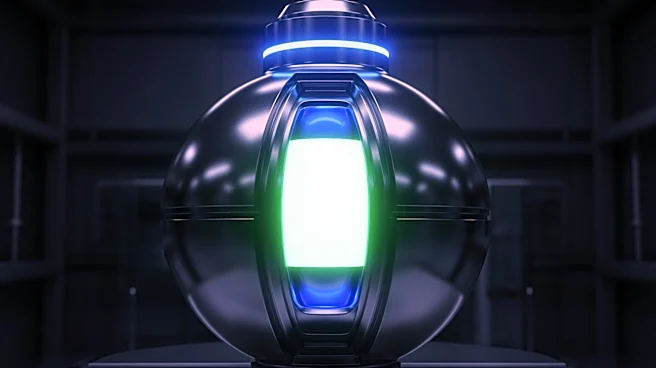
The U.S. Department of Energy has announced that a small nuclear reactor developed by Antares Nuclear Inc. at the Idaho National Lab has reached a critical milestone known as 'criticality.' This achievement
marks the first time a privately developed advanced reactor has reached this stage under a pilot program initiated by the Trump administration. The program aims to accelerate nuclear energy production in the U.S. by removing regulatory barriers. The reactor, which is part of a broader effort to revitalize nuclear energy, is expected to produce electricity by 2027. However, skeptics warn of potential safety risks and question the feasibility and cost-effectiveness of microreactors.
Why It's Important?
This development is significant for the U.S. energy sector as it represents a step towards diversifying energy sources and reducing carbon emissions. The successful implementation of advanced nuclear reactors could provide a reliable and emissions-free power source, potentially lowering energy costs and enhancing energy security. The initiative aligns with the Trump administration's push to promote nuclear energy as a key component of the country's energy strategy. However, the accelerated timeline and reduced regulatory oversight have raised concerns about safety and the long-term viability of these technologies.
What's Next?
Antares plans to begin producing electricity by late 2027, with systems deployed by 2028. The company is targeting military applications and remote bases where traditional energy sources are less reliable. The Energy Department continues to fast-track licensing for these reactors, aiming to achieve criticality in at least three test reactors by July 4, 2026. Ongoing discussions with states regarding nuclear waste disposal are crucial for the program's success. The outcome of these efforts will influence the future of nuclear energy in the U.S. and its role in the global energy landscape.