





What's Happening?
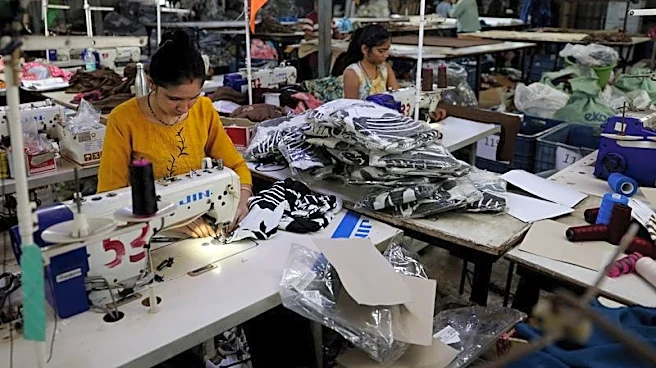
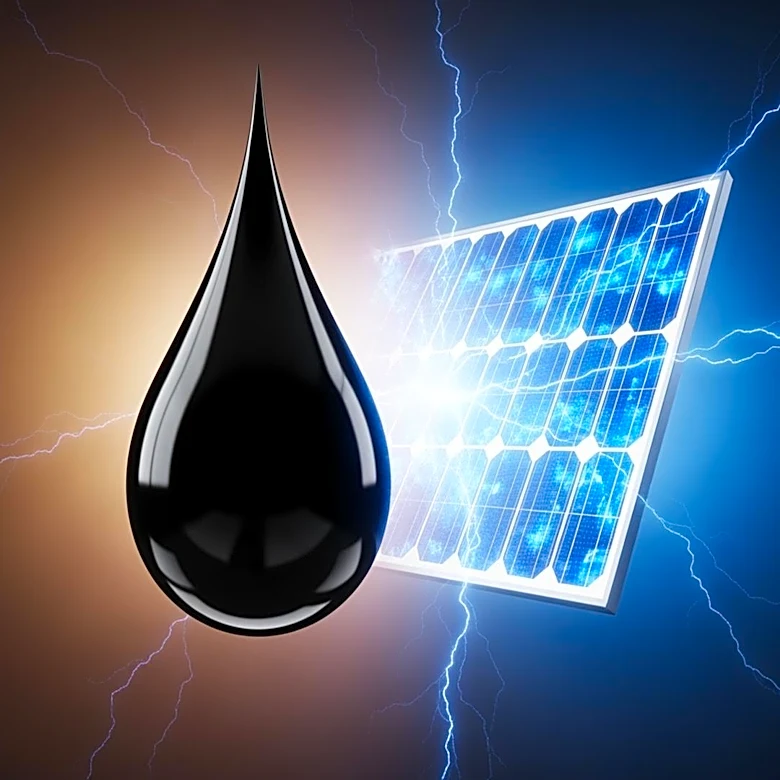
The closure of the Strait of Hormuz has led to a significant increase in oil and gas prices, impacting the fast fashion industry, which relies heavily on synthetic fibers like polyester. Polyester accounts for nearly 60% of global fiber production, and the price hikes
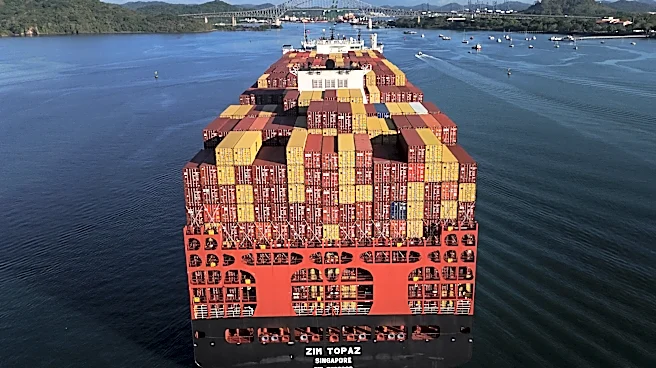
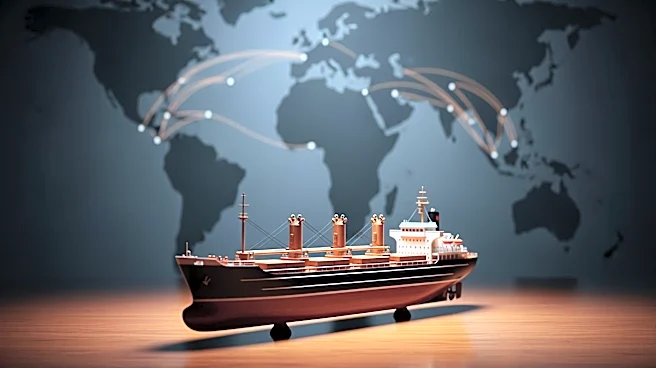
are affecting companies like Teijin Frontier and Eastman, which have raised prices on their products. The increased costs are expected to affect the pricing of garments and footwear, with projections indicating a rise in production costs. The situation has also led to logistical challenges, with shipments being rerouted, adding to transit times and costs.
Why It's Important?
The rising costs of synthetic fibers due to the Hormuz oil crunch pose a significant challenge to the fast fashion industry, which operates on thin profit margins and rapid production cycles. This situation could lead to higher prices for consumers and pressure on companies to find alternative materials or production methods. The reliance on synthetic fibers highlights the vulnerability of the industry to fluctuations in oil prices and geopolitical events. The shift towards natural fibers like cotton may offer some relief, but it also presents challenges in terms of production capacity and environmental impact.
What's Next?
Fast fashion companies may need to explore alternative materials and production methods to mitigate the impact of rising costs. This could include investing in recycled materials or developing more sustainable practices. The industry may also see a shift towards slower production cycles and a focus on quality over quantity. Additionally, companies will need to navigate the logistical challenges posed by the rerouting of shipments and increased transit times. The situation may also prompt a reevaluation of supply chain strategies and a push towards more localized production to reduce dependency on volatile global markets.