





What's Happening?
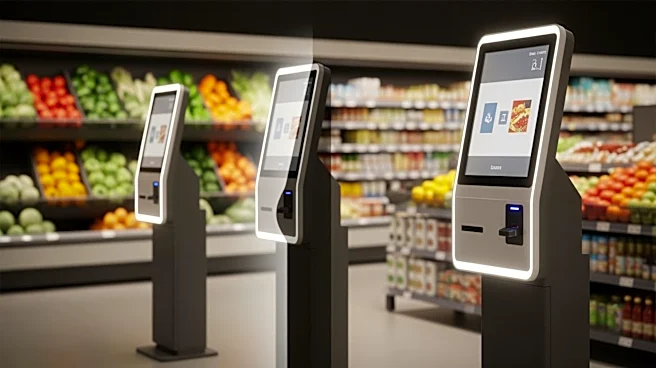
Connecticut is considering new legislation, SB 438, which would regulate the use of self-checkout stations in grocery stores. The proposed bill mandates that for every two self-checkout stations, there must be one employee-manned checkout station. Additionally,
it would limit grocery stores to operating no more than eight self-checkout stations at a time. This legislative effort is part of a broader movement in New England, with similar proposals being discussed in Rhode Island and Massachusetts, aimed at preserving jobs and ensuring customer service in the retail sector.
Why It's Important?
The proposed legislation reflects growing concerns about the impact of automation on employment in the retail industry. By requiring a balance between self-checkout and employee-operated stations, the bill aims to protect jobs and maintain a level of human interaction in grocery stores. This move could set a precedent for other states considering similar measures, potentially influencing national discussions on the role of automation in the workforce. The outcome of this legislation could have significant implications for retailers, employees, and consumers, affecting operational costs and shopping experiences.
What's Next?
As the bill progresses through the legislative process, stakeholders including grocery store chains, labor unions, and consumer advocacy groups will likely engage in discussions and lobbying efforts. The outcome of these legislative efforts in Connecticut and other New England states could influence future policies on automation in retail. Retailers may need to reassess their strategies and consider the potential impact on their business models and workforce. The debate over self-checkout systems is expected to continue as technology evolves and consumer preferences shift.