





What's Happening?
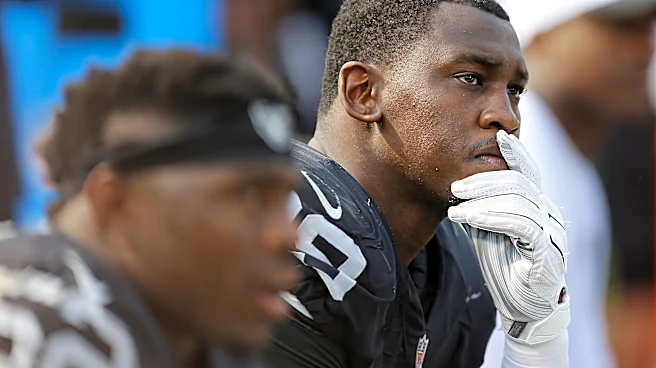
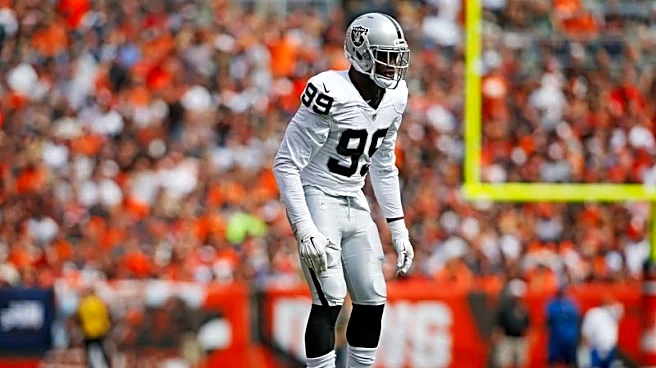
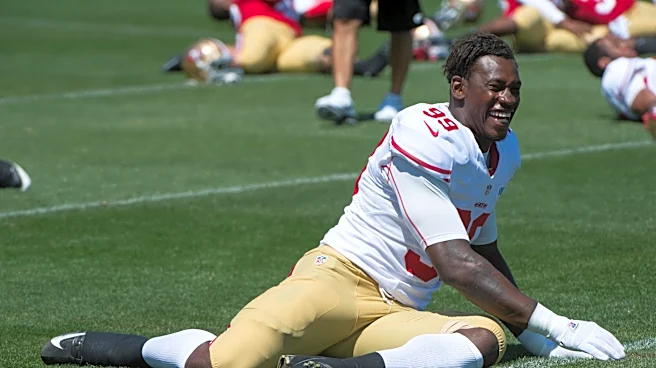
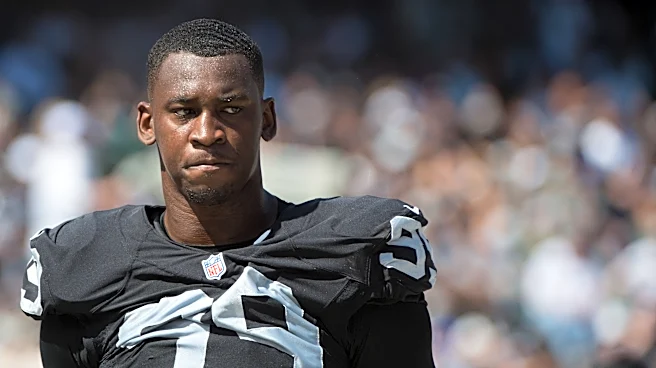
Aldon Smith, a former All-Pro linebacker for the San Francisco 49ers, has died at the age of 36. The team announced his passing on Saturday, though the cause of death has not been disclosed. Smith was known for his exceptional talent on the field, having
been drafted seventh overall by the 49ers in the 2011 NFL Draft after playing college football at the University of Missouri. During his rookie season, he recorded 14 sacks, the second most by a rookie in NFL history. In 2012, Smith set a franchise record with 19.5 sacks and was named a First Team All-Pro. He played a key role in the 49ers' journey to Super Bowl XLVII against the Baltimore Ravens. Despite his on-field success, Smith's career was marred by multiple suspensions for violating the NFL's substance abuse and personal conduct policies. He was released by the 49ers after the 2014-2015 season and later played for the Oakland Raiders and Dallas Cowboys.
Why It's Important?
Aldon Smith's death marks the loss of a player who had a significant impact on the NFL during his early years. His record-setting performances and contributions to the 49ers' defense were notable, and his talent was widely recognized across the league. However, his career also highlights the challenges faced by athletes dealing with personal issues, such as substance abuse, which can affect their professional lives and longevity in sports. Smith's story serves as a reminder of the pressures and pitfalls that professional athletes may encounter, and the importance of support systems to help them navigate these challenges. His passing may prompt discussions within the NFL and sports communities about mental health and support for players facing similar issues.
What's Next?
The NFL community is likely to reflect on Aldon Smith's career and the circumstances surrounding his life and death. Tributes from former teammates, coaches, and fans may emerge, celebrating his achievements and contributions to the sport. The league may also face renewed scrutiny regarding its policies and support systems for players dealing with personal and substance abuse issues. Discussions about improving these systems to prevent similar situations in the future could gain momentum, potentially leading to policy changes or new initiatives aimed at supporting player well-being.