


What's Happening?
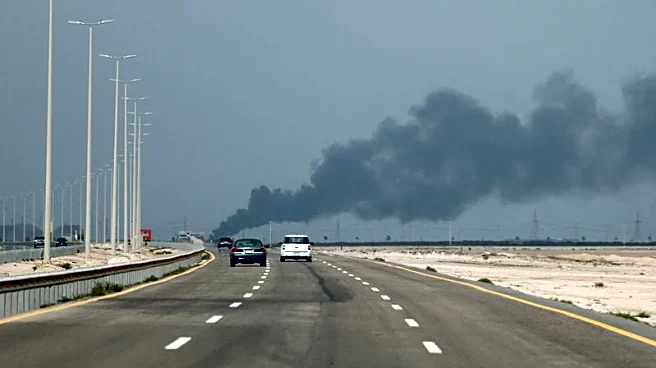
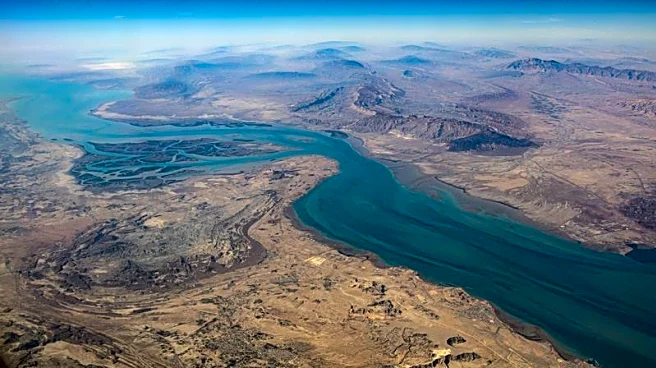
A recent joint military action by the U.S. and Israel against Iran has led to a significant increase in oil prices, sparking concerns about global inflation. The Brent Crude Oil index saw an 8% rise, reaching over $78 per barrel, compared to an average
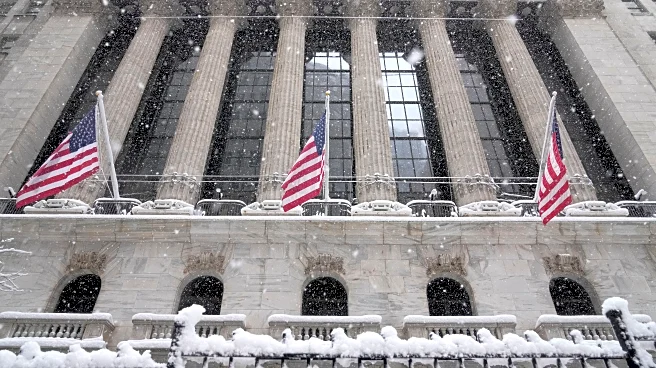
of $69 per barrel in 2025. This surge in oil prices is attributed to the escalating conflict in the Middle East, which has heightened fears of disruptions in oil supply. The increase in oil prices has also been linked to declines in major stock indices, including the Dow Jones Industrial Average, the S&P 500, and the NASDAQ. Analysts warn that prolonged uncertainty and rising oil prices could lead to a global inflationary scare. The U.S. might be somewhat insulated from these effects due to its shale oil supplies and strategic petroleum reserves, but the situation remains fluid.
Why It's Important?
The rise in oil prices has significant implications for the global economy, as oil is a fundamental component of many industries. Higher oil prices can lead to increased costs for goods and services, contributing to inflationary pressures. In the U.S., this could affect consumer spending and economic growth. The Federal Reserve may face challenges in managing interest rates, as higher rates could dampen consumer demand and help control inflation. Additionally, the conflict's impact on oil supply could influence global markets, affecting countries heavily reliant on oil imports. The situation underscores the interconnectedness of geopolitical events and economic stability, highlighting the potential for widespread economic repercussions.
What's Next?
The future trajectory of oil prices and inflation will largely depend on the duration and intensity of the conflict in the Middle East. If the situation escalates, further disruptions in oil supply could occur, leading to more pronounced inflationary effects. Policymakers and economic stakeholders will need to monitor developments closely and may need to adjust strategies to mitigate economic impacts. The U.S. government and Federal Reserve will likely continue to assess the situation to determine appropriate monetary and fiscal responses. Additionally, global markets will be watching for any signs of resolution or further escalation in the conflict, which could influence future economic forecasts.