






What's Happening?
Jack Clark, co-founder of the AI research company Anthropic, has predicted a 60% probability that artificial intelligence (AI) systems will be capable of creating other AI systems by the end of 2028. Clark's prediction is based on observed trends in AI capability
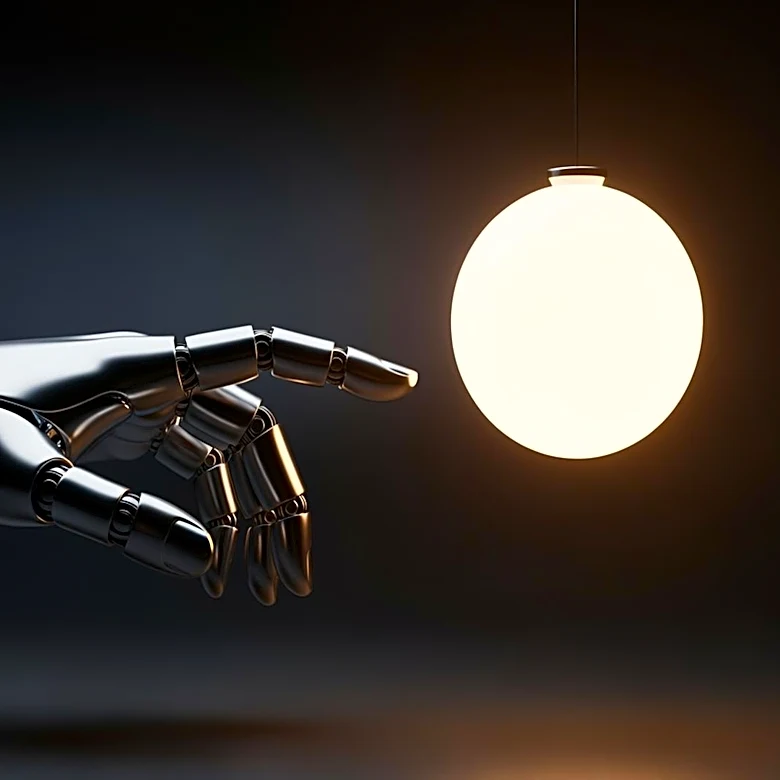
development, including advancements in programming, scientific research reproduction, and model training optimization. He notes that AI systems are increasingly able to manage and improve themselves, a process known as recursive self-improvement. This development could lead to significant changes in how AI research is conducted, potentially reducing the need for human intervention in engineering tasks.
Why It's Important?
The potential for AI systems to autonomously create and improve themselves represents a major shift in the field of artificial intelligence. If realized, this capability could accelerate technological advancements and reshape industries reliant on AI, such as tech, finance, and healthcare. However, it also raises ethical and governance questions about the control and oversight of AI systems. The possibility of AI self-creation challenges existing frameworks for AI development and necessitates discussions about safety, accountability, and the societal impacts of increasingly autonomous technologies.
What's Next?
As AI systems continue to evolve, stakeholders in technology, government, and academia will need to address the implications of AI self-creation. This includes developing regulatory frameworks to ensure the safe and ethical deployment of autonomous AI systems. Researchers and policymakers may also focus on establishing guidelines for AI governance and exploring the potential risks associated with recursive self-improvement. The ongoing advancements in AI capabilities will likely prompt further debate about the balance between innovation and regulation in the tech industry.