





What's Happening?
The biennial art circuit over the past four years has been dominated by themes of post-colonialism and reflective aesthetics. Artists such as Ali Eyal, Apichatpong Weerasethakul, and Kader Attia have been prominent figures, appearing in numerous biennials.
Their works often explore the history of colonialism, using charged documents or symbols in poetic ways. This trend is characterized by a reflective tone rather than a didactic one, with art often resembling exhibits in science or history museums. Notable works include Nolan Oswald Dennis's 'garden for fanon' and Kapwani Kiwanga's 'Flowers for Africa'. These artists frequently incorporate materials linked to historical violence, such as Tuan Andrew Nguyen's sculptures made from Vietnam War bomb remnants. The biennial scene also highlights alternative histories and critical science fiction, with artists like Joana Hadjithomas and Khalil Joreige exploring the space race through a Third World political lens.
Why It's Important?
The prominence of post-colonial themes in biennial art reflects a shift in global cultural dynamics, where the moral and cultural hegemony of the 'developed' world is being questioned. This shift is significant as it indicates a broader cultural reckoning with historical injustices and the legacy of colonialism. The focus on these themes suggests a growing awareness and critique of Western cultural dominance, aligning with global movements for social justice and decolonization. The art world, through these biennials, is playing a crucial role in shaping and reflecting societal values, potentially influencing public discourse and policy on cultural and historical issues.
What's Next?
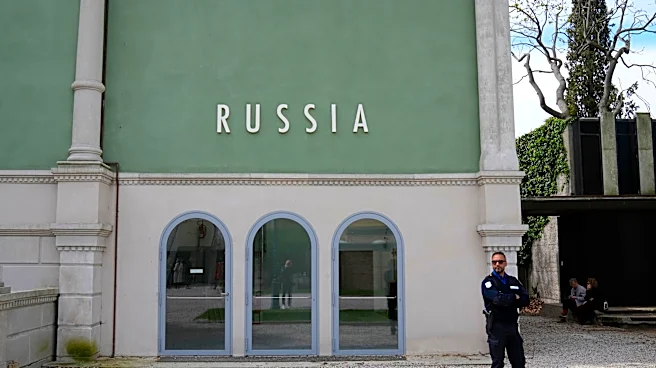
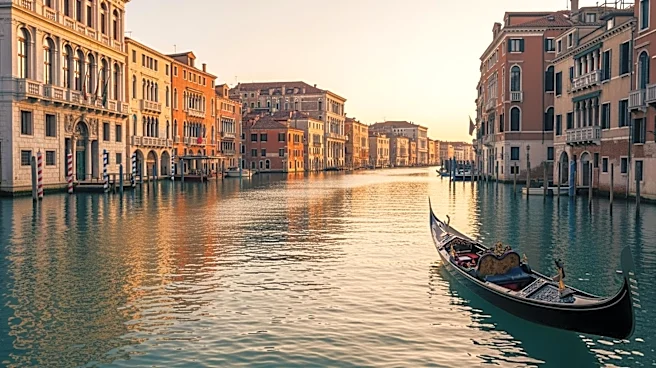
As these themes continue to dominate the biennial circuit, it is likely that more artists will engage with post-colonial narratives and reflective aesthetics. This could lead to increased collaboration between artists from diverse backgrounds, fostering a more inclusive and representative art world. Additionally, the focus on historical and cultural themes may influence other sectors, such as education and media, to adopt similar reflective approaches. The upcoming Venice Biennale, featuring many of these artists, will be a key event to watch for further developments in this trend.
Beyond the Headlines
The emphasis on post-colonial themes in biennial art also raises questions about the role of art in addressing historical injustices. It challenges the art world to consider its own complicity in perpetuating cultural hegemony and to explore ways to support marginalized voices. This trend may lead to a reevaluation of art institutions and their practices, encouraging them to become more inclusive and socially responsible. Furthermore, the integration of historical and cultural narratives in art could inspire new forms of artistic expression and innovation, pushing the boundaries of traditional art forms.