



What's Happening?
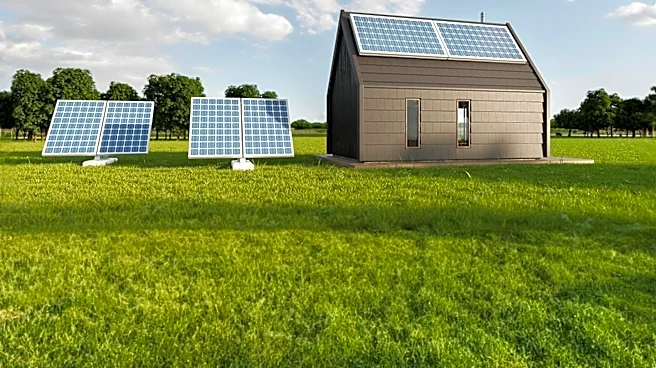
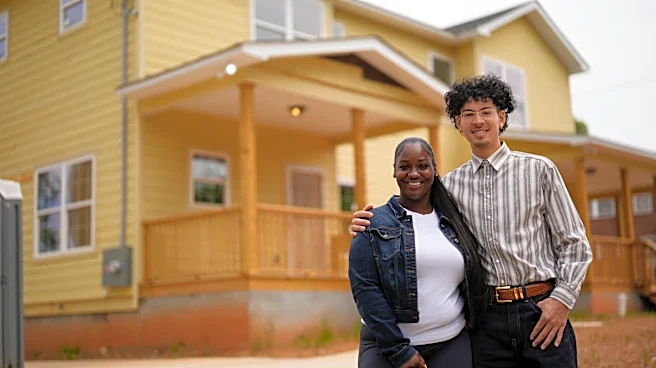
Tiny homes are increasingly being chosen not out of necessity but as a lifestyle choice. A visit to tiny home villages in the Netherlands revealed that many residents, ranging from young couples to retirees, opt for tiny homes to achieve financial freedom
and a simpler lifestyle. These communities, supported by the Minitopia Foundation, transform unused land into vibrant living spaces. Residents report benefits such as reduced living costs, increased savings, and a sense of community.
Why It's Important?
The growing popularity of tiny homes reflects a shift in housing preferences, challenging the traditional notion that bigger is better. This trend could influence housing markets by increasing demand for smaller, more affordable living spaces. It also highlights a cultural shift towards minimalism and sustainability, as tiny homes typically have a smaller environmental footprint. For urban planners and policymakers, this trend presents an opportunity to rethink housing solutions and address issues like affordability and urban sprawl.
What's Next?
As the tiny home movement gains momentum, it may lead to changes in zoning laws and building codes to accommodate these alternative housing options. Developers and municipalities might explore partnerships to create more tiny home communities, especially in areas with high housing costs. The movement could also inspire innovations in sustainable building practices and community design, further promoting environmentally friendly living.
Beyond the Headlines
The tiny home trend raises questions about societal values and the definition of success. It challenges the consumer-driven culture by promoting a lifestyle focused on experiences rather than possessions. This shift could have long-term implications for consumer behavior and economic models, potentially leading to a more sustainable and equitable society.