





What's Happening?
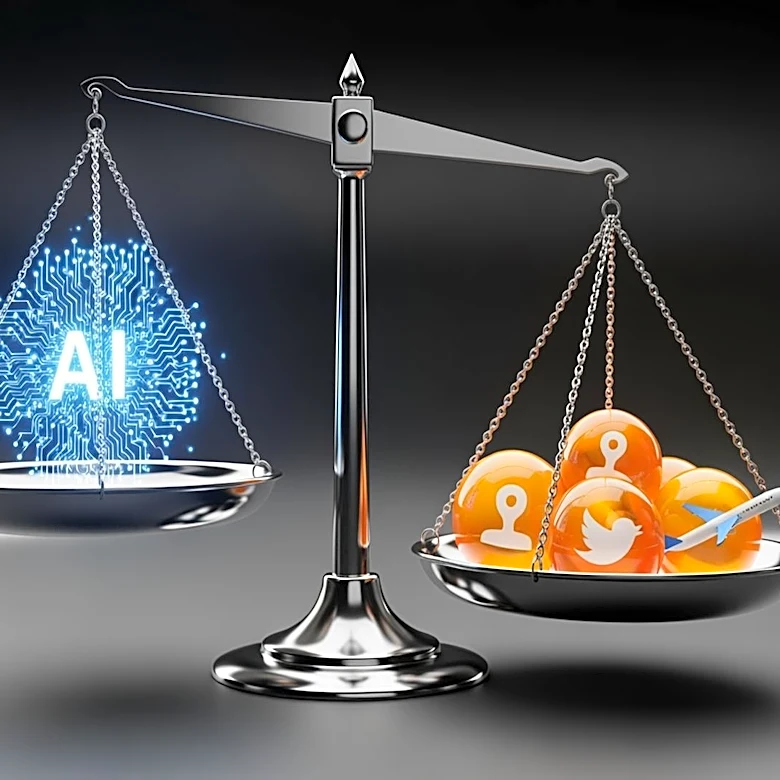
Meta Platforms is preparing to lay off approximately 16,000 employees in the coming months, with the first phase affecting around 8,000 workers starting May 20, 2026. This move is part of a significant restructuring effort as the company, led by Mark
Zuckerberg, intensifies its focus on artificial intelligence (AI). The layoffs are expected to be the most substantial since previous restructuring efforts. Meta's strategy involves reshaping its workforce to support a more automated future, aligning with its ambition to lead in AI technologies, including generative tools and large-scale machine learning systems. The company employed nearly 79,000 people as of December 31, according to its latest filing.
Why It's Important?
The layoffs at Meta highlight a broader trend in the tech industry, where companies are increasingly integrating AI to enhance efficiency and reduce costs. This shift could have significant implications for the U.S. labor market, particularly in the tech sector, as automation and AI technologies continue to evolve. While these technologies promise increased productivity, they also pose challenges for workers whose roles may become redundant. The move by Meta, a major player in the tech industry, could influence other companies to adopt similar strategies, potentially leading to further job reductions across the sector. This development underscores the need for workforce adaptation and retraining to meet the demands of an AI-driven economy.
What's Next?
As Meta proceeds with its layoffs, the company will likely focus on implementing its AI initiatives to maintain its competitive edge. The affected employees may seek opportunities in other tech firms or industries, potentially leading to a shift in talent distribution within the sector. Additionally, there may be increased pressure on policymakers to address the impact of AI on employment and to develop strategies for workforce retraining and support. The tech industry will be closely watching Meta's restructuring efforts, as they could set a precedent for how other companies manage the transition to AI-driven operations.