


What's Happening?
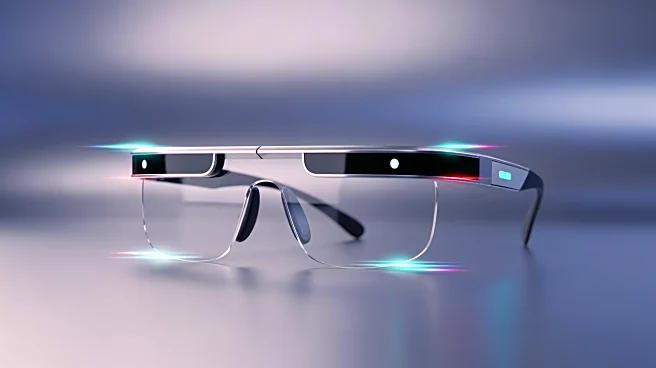
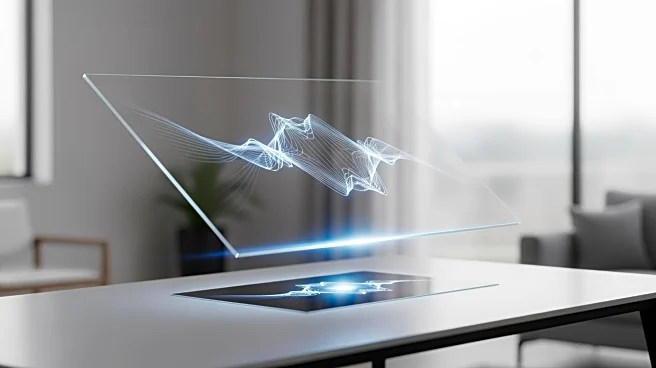
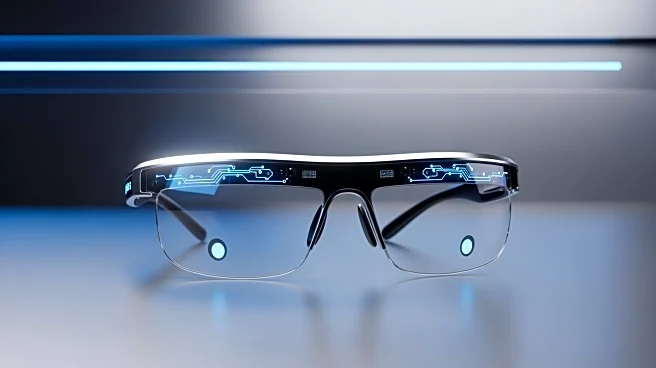
Virtual screens, a new technology involving headsets or display glasses, are emerging as potential replacements for traditional smart TVs. These devices, such as Apple's Vision Pro headset and Xreal One Pro display glasses, project shows into the user's environment, allowing for viewing without a physical TV. This technology offers significant mobility, enabling users to watch TV anywhere, from their bed to the backyard. Despite their futuristic appeal, these devices come with a high price tag, with the Apple Vision Pro costing thousands of dollars and the Xreal One Pro priced at $649. While they offer the convenience of watching TV on the go, there are concerns about the isolation they may cause, as users watch content individually rather than
with others.
Why It's Important?
The shift towards virtual screens could significantly impact the television industry by changing how consumers engage with media. The mobility and personalization offered by these devices cater to modern lifestyles, where flexibility and individual choice are highly valued. However, the high cost may limit accessibility, potentially widening the digital divide. Additionally, the trend towards solitary viewing experiences could alter social dynamics traditionally associated with TV watching, such as family gatherings or communal viewing events. This technological advancement could also drive innovation in content delivery and user interface design, as companies strive to enhance the virtual viewing experience.
What's Next?
As virtual screens gain popularity, manufacturers may focus on reducing costs to make the technology more accessible to a broader audience. This could involve developing more affordable models or offering financing options. Additionally, content creators and streaming services might explore new formats and interactive experiences tailored to virtual screens, enhancing user engagement. The potential for augmented and virtual reality integration could also lead to new forms of storytelling and entertainment. Meanwhile, traditional TV manufacturers may need to innovate to remain competitive, possibly by incorporating similar technologies into their products.
Beyond the Headlines
The rise of virtual screens raises questions about privacy and data security, as these devices may collect personal viewing habits and preferences. There are also ethical considerations regarding the potential for increased screen time and its impact on mental health and social interactions. As the technology evolves, regulatory bodies may need to establish guidelines to address these concerns. Furthermore, the environmental impact of producing and disposing of electronic devices could become a significant issue, prompting discussions about sustainable practices in the tech industry.