


What's Happening?
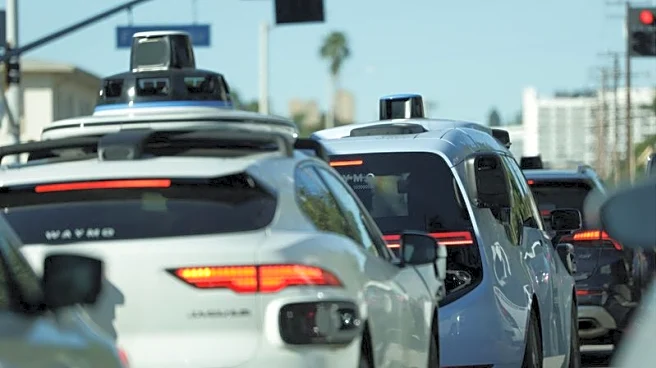
Waymo's chief safety officer, Mauricio Peña, testified before the Senate Commerce Committee, revealing that the company employs remote guidance workers in the Philippines to assist with its autonomous vehicles. This disclosure has drawn criticism from Senator Ed Markey, who questioned the reliance on overseas workers without U.S. driver's licenses. Waymo clarified that these workers do not remotely drive the vehicles but provide information requested by the self-driving system. The company also employs U.S.-based Event Response Teams for more complex tasks.
Why It's Important?
The use of overseas workers for remote assistance in autonomous vehicle operations raises questions about safety, regulatory compliance, and job localization. This practice could impact public
perception of autonomous vehicles and influence regulatory discussions on the deployment of such technologies in the U.S. The scrutiny from lawmakers highlights the need for transparency in the operations of autonomous vehicle companies and may lead to increased regulatory oversight.
What's Next?
Waymo's operations and the broader autonomous vehicle industry may face increased regulatory scrutiny and potential legislative action. The company may need to enhance its transparency and communication strategies to address public and legislative concerns. The outcome of these discussions could shape the future regulatory landscape for autonomous vehicles in the U.S., affecting how companies deploy and manage their fleets.