







What's Happening?
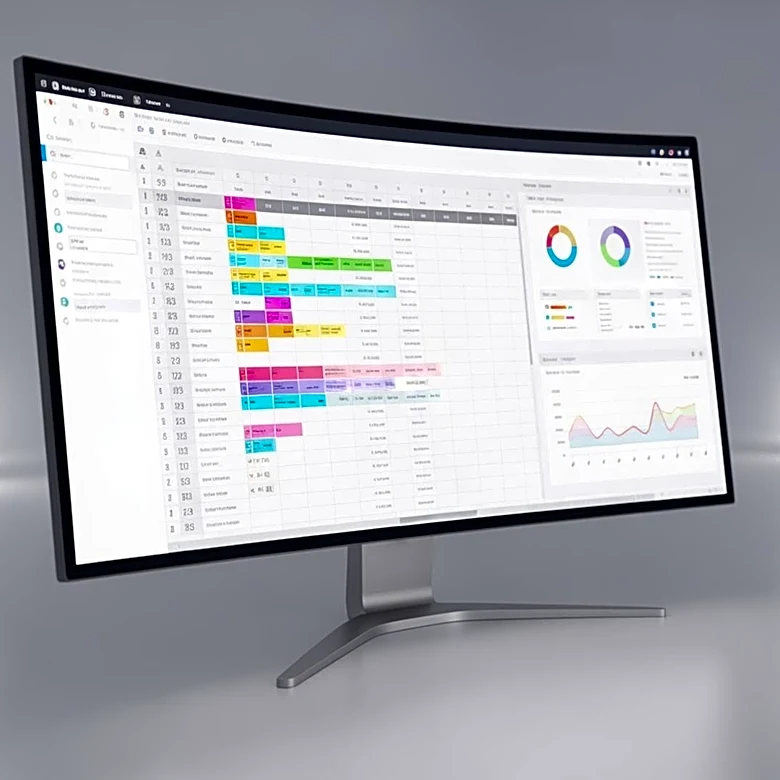
The modern fitness industry is increasingly relying on digital tools to enhance operational resilience and manage high-performance training environments. Fitness centers, particularly those specializing in CrossFit, are adopting business management software
to streamline daily operations such as member sign-ups, billing, and class scheduling. These systems allow management to focus on coaching quality and community engagement by automating administrative tasks. The adoption of digital platforms is also driven by the need to navigate financial aspects, with pricing for comprehensive management tools varying significantly based on features and the number of locations. Advanced setups with marketing automation and CRM systems can cost over $600 per site, highlighting the importance of financial planning in the industry.
Why It's Important?
The integration of digital tools in the fitness industry is crucial for maintaining competitiveness and ensuring long-term success. By leveraging technology, fitness centers can enhance member retention and engagement through predictive analytics and personalized incentives. This approach not only stabilizes revenue streams but also fosters a sense of community among members. Additionally, the ability to efficiently manage staff and resources through real-time data and automated systems allows fitness businesses to optimize operations and reduce financial risks. As the industry evolves, embracing technological advancements becomes essential for sustaining growth and adapting to changing consumer demands.
What's Next?
As the fitness industry continues to evolve, businesses are expected to further integrate technology into their operations. This includes adopting wearable biometrics and performance tracking tools that connect directly to management platforms, providing a comprehensive view of members' health and fitness progress. The shift towards hybrid models, combining virtual training and on-demand content, will require a flexible and robust technical infrastructure. Fitness entrepreneurs who invest in innovative technologies and skilled personnel will likely establish a lasting legacy of health and success, positioning themselves favorably in a competitive market.
Beyond the Headlines
The digital transformation of the fitness industry also raises considerations around data privacy and security. As fitness centers collect and analyze personal health data, ensuring the protection of this information becomes paramount. Additionally, the reliance on technology may lead to disparities in access, with smaller or less tech-savvy businesses potentially struggling to keep pace with larger, more technologically advanced competitors. The industry's shift towards digital solutions may also influence cultural perceptions of fitness, emphasizing data-driven approaches and personalized experiences over traditional methods.