







What's Happening?
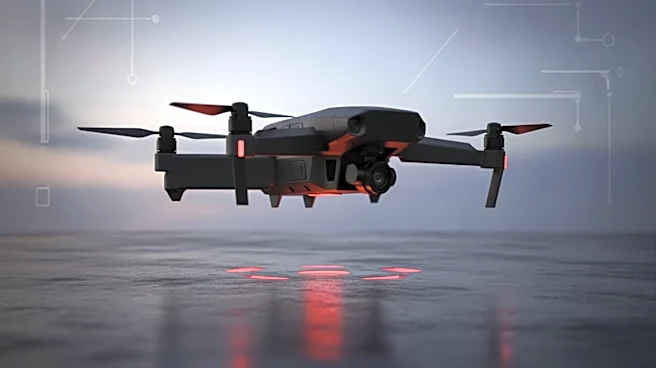
Red Cat Holdings has secured a contract through the NATO Support and Procurement Agency to supply its Black Widow small unmanned aircraft systems (sUAS) to a NATO ally. The contract involves the delivery of an undisclosed number of these drones throughout
2026. Each system includes two Black Widow aircraft, a ground control station, and essential mission components. The Black Widow is designed for intelligence, surveillance, and reconnaissance (ISR) missions, featuring a compact and rugged design with secure communications architecture. It complies with the National Defense Authorization Act (NDAA) and is part of a broader Family of Systems developed by Red Cat subsidiaries, including Teal Drones and FlightWave Aerospace, to support military and national security operations.
Why It's Important?
This contract highlights a significant shift in defense procurement towards systems that can be rapidly deployed in contested environments. The selection of Red Cat's Black Widow drones underscores the growing demand for reliable ISR capabilities that are built on secure U.S. supply chains. The ability to manufacture and field these systems at scale is crucial for NATO allies, who require platforms that are ready for immediate deployment. The Black Widow's design focuses on speed, readiness, and resilience against electronic warfare, making it a critical asset for tactical edge operations. This development also reflects the increasing importance of unmanned systems in modern military strategies.
What's Next?
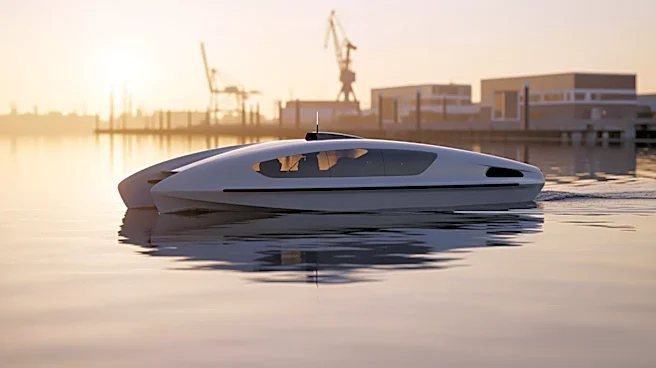
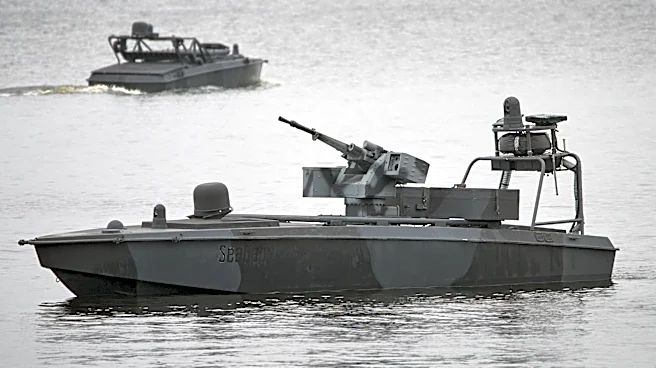
As Red Cat Holdings fulfills this contract, it may lead to further opportunities within NATO and other international defense markets. The successful deployment of the Black Widow drones could enhance Red Cat's reputation as a leading provider of tactical ISR solutions. Additionally, Red Cat's expansion into the maritime domain with uncrewed surface vessels (USVs) through Blue Ops, Inc. suggests a strategic move to offer integrated multi-domain platforms. This could position the company to meet the evolving needs of government and public safety agencies, potentially leading to more contracts and collaborations in the future.