





What's Happening?
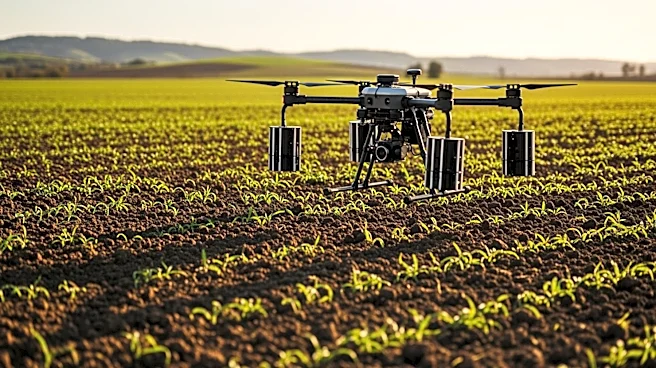
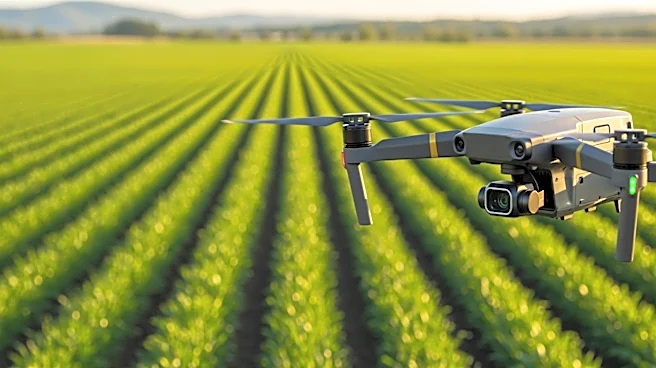
TerraClear, a leader in agricultural technology, has introduced a new AI-driven weed mapping service aimed at addressing the challenges posed by Giant Ragweed in organic farming. This service utilizes high-precision drone imagery and artificial intelligence
to provide exact GPS locations of ragweed escapes, allowing farmers to target and eliminate these weeds with precision. Giant Ragweed is a significant concern for organic farmers as a single plant can produce up to 10,000 seeds, creating a persistent seed bank that can affect crop yields for years. Traditionally, farmers have relied on labor-intensive methods such as blanket scouting and walking crews, which can be costly and inefficient. TerraClear's service offers a more efficient solution by enabling farmers to focus their efforts on specific areas, reducing labor costs and improving weed management.
Why It's Important?
The introduction of TerraClear's AI weed mapping service is significant for the organic farming industry, which often faces challenges in managing weeds without the use of chemical herbicides. By providing a precise and efficient method for identifying and removing Giant Ragweed, this service can help organic farmers maintain crop yields and reduce the long-term impact of weed infestations. The ability to target specific weed escapes also minimizes the need for extensive labor, which is increasingly difficult to find and expensive to employ. This innovation not only supports the sustainability goals of organic farming but also enhances the economic viability of organic operations by reducing costs and improving crop integrity.
What's Next?
TerraClear is currently accepting bookings for its weed mapping service for the 2026 summer season, with limited slots available. As the service gains traction, it is likely to see increased adoption among organic farmers seeking more efficient weed management solutions. The success of this initiative could lead to further advancements in precision agriculture technologies, potentially expanding to other types of weeds and crops. Stakeholders in the organic farming sector, including policymakers and agricultural organizations, may also take interest in supporting and promoting such technologies to enhance organic farming practices.