


What's Happening?
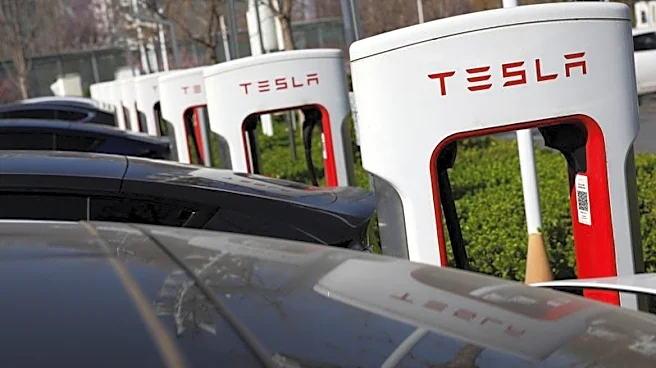
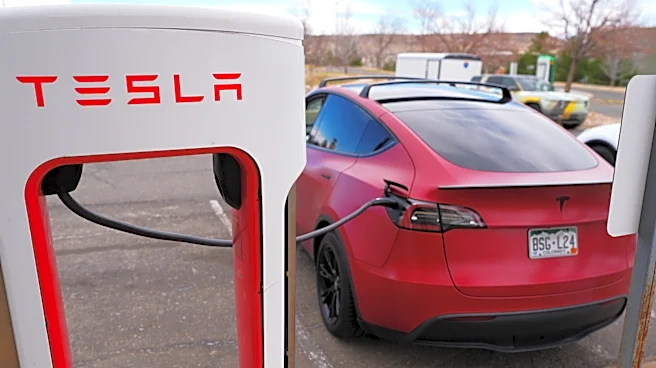
Tesla reported sales of 358,023 electric vehicles in the first quarter of 2026, falling short of Wall Street's expectations. The company's share price dropped over 4% following the announcement. Despite a 6% increase from the previous year, Tesla's sales figures
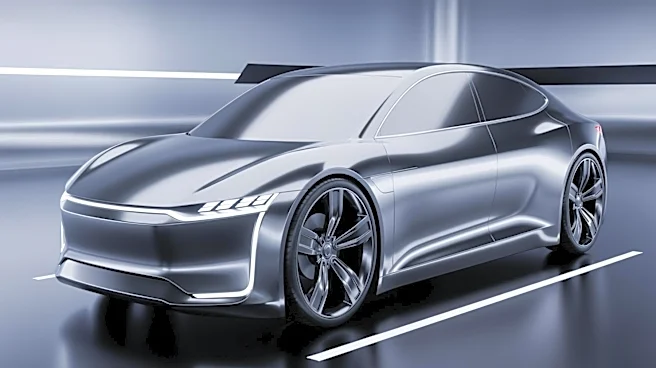
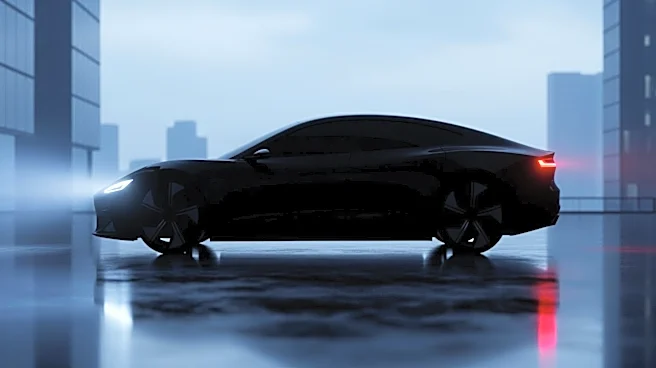
were below analyst projections, highlighting challenges in the EV market. The automaker is shifting focus towards robotaxis and humanoid robots, with plans to ramp up production of its Cybercab robotaxi and Optimus robot. Tesla's strategic pivot comes amid slowing demand for electric vehicles and increased competition from rivals like BYD.
Why It's Important?
Tesla's sales performance is critical as the company navigates a pivotal year. The shift towards AI-driven products represents a significant change in its business model, with implications for its market position and financial health. The disappointing sales figures underscore the challenges Tesla faces in maintaining growth amid industry headwinds. The company's ability to successfully implement its AI strategy will be crucial for future success. As a leader in the EV market, Tesla's performance has broader implications for the industry, influencing investor sentiment and competitive dynamics.
What's Next?
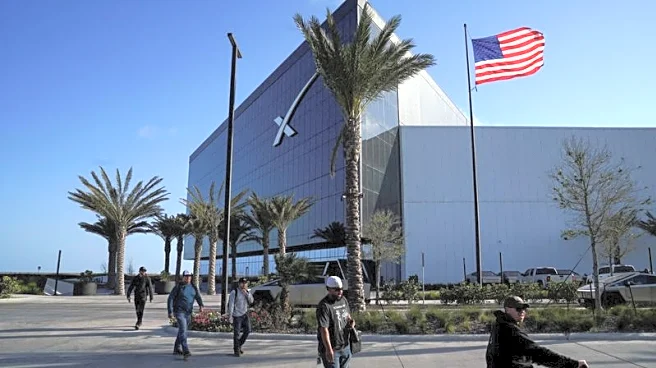
Tesla plans to begin production of its Cybercab robotaxi in April and is partnering with SpaceX to build a 'Terafab' for dedicated chip supply. The company's robotaxi rollout has lagged behind competitors, and expanding its autonomous ride-hailing service will be a key focus. Tesla's ability to balance traditional EV sales with its new initiatives will be critical in the coming months. Investors will be watching for updates on Tesla's strategic direction and financial performance, particularly as it reports earnings later in April.